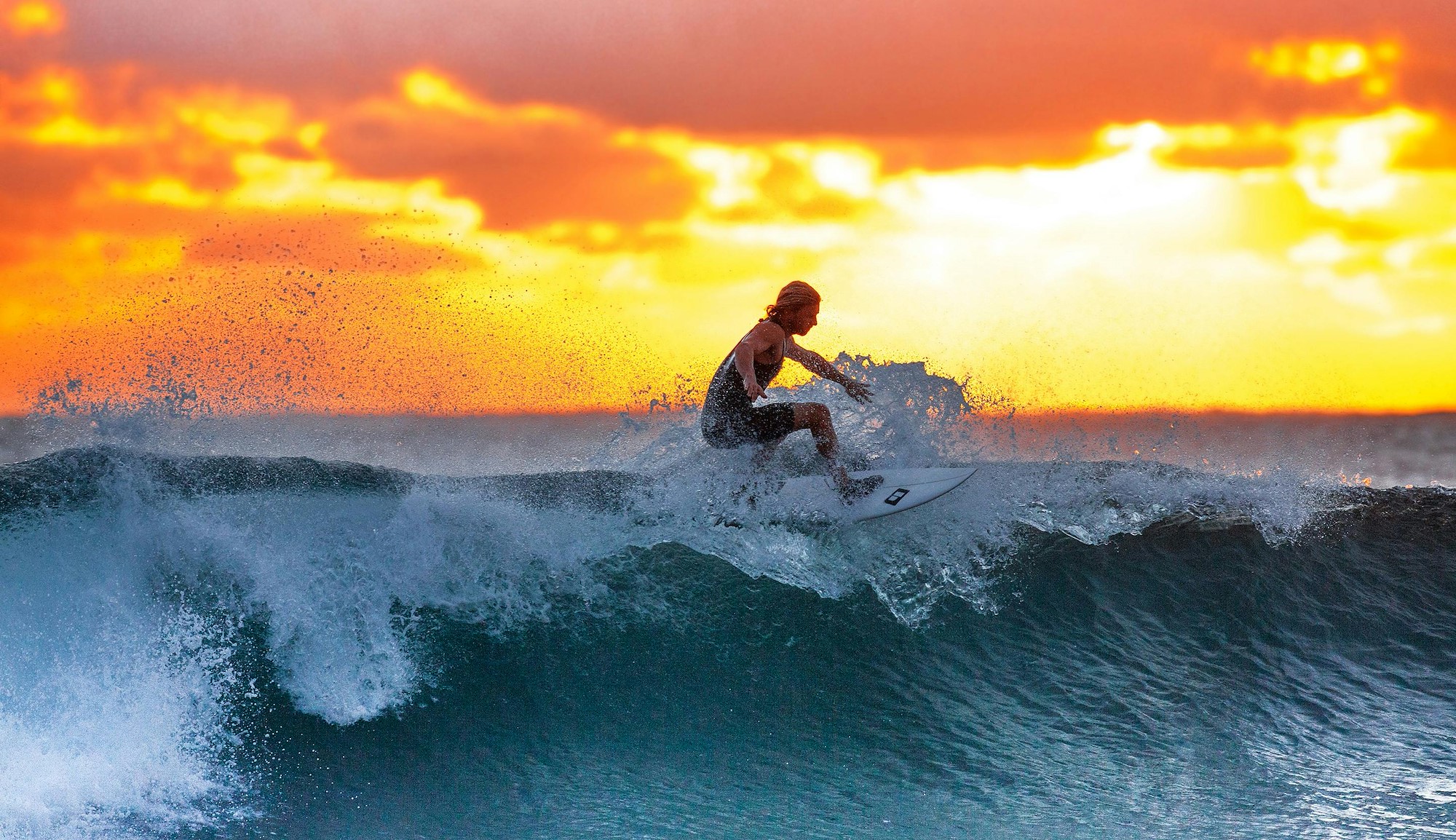
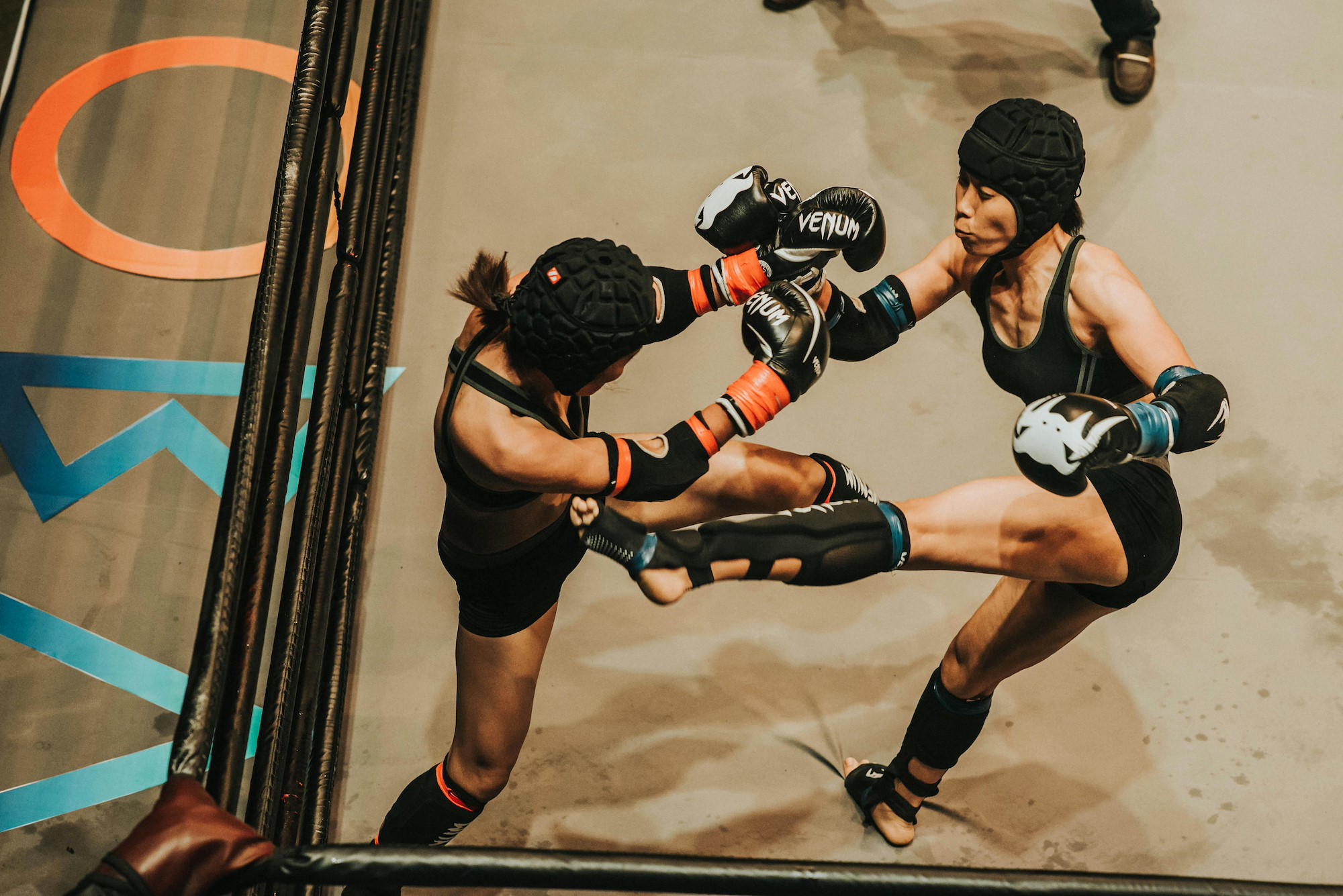
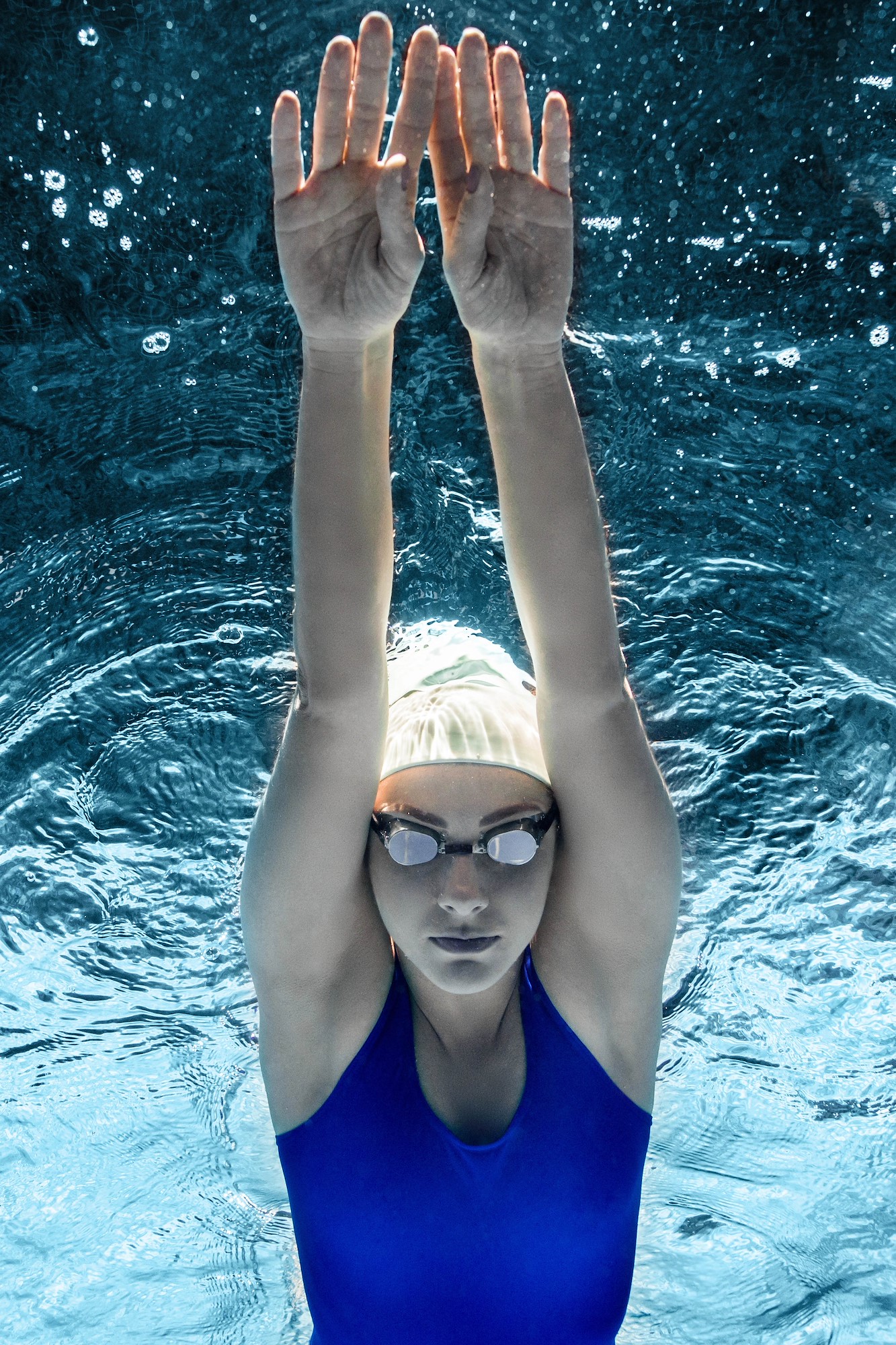
What Is Sports Photography?
Sports photography is the visual documentation of athletic activity. This includes game action, sideline emotion, behind-the-scenes storytelling, editorial portraits, and promotional imagery. For many beginners, the most helpful mindset is to think like a storyteller first. A good sports photographer learns how to tell the story of the whole game with just one image. And a great photographer masters the art of finding the small, quiet moments in the middle of a screaming stadium.
Introduction
If you love the energy of competition and the thrill of motion, then sports photography may be your ideal niche. This genre combines technical skill, vision, and a deep appreciation for all forms of athletics. From photographing little league games to high-intensity pro matches, a great photographer will find the emotion in every athlete, no matter how novice. This fast-paced blur of excitement may seem intimidating at first, but all it takes is time, commitment, and a keen eye to capture those unforgettable moments. As they say, practice makes perfect. And in sports photography, practice doesn't just mean refining camera technique; it means learning to be one step ahead of the game itself to anticipate the next winning play. This guide is geared towards beginners or those looking to explore a new field of photography. With tips from professional sports photographers as well as gear recommendations and essential techniques, discover the heart of this exciting field.
The Venn Diagram
Sports photography overlaps with several other fields. A few include:
- Photojournalism: Capturing live action for newspapers, magazines, and online outlets.
- Editorial: Shooting portraits or behind-the-scenes images of athletes and teams for features or profiles.
- Advertising/Branding: Producing polished images for sportswear companies, gyms, or athletic organizations.
- Event Documentation: Covering everything from youth tournaments to large-scale marathons.
This variety means that sports photographers can carve out careers in multiple niches. Whether working for media outlets, schools, athletic programs, or private clients, there's a wide range of opportunities for sports photographers.
The Language of Motion: Technical Essentials
The game doesn't pause for you, so your camera craft must be second nature. This field photography requires constant trade-offs between shutter speed, aperture, and ISO, while tracking subjects and anticipating where the next decisive moment will unfold.
Shutter Speed & Motion
- Freezing action: For ball-on-bat contact, sprint finishes, hockey slap shots, and mid-air headers, start around 1/1000 sec (or at least 1/500 sec in brighter conditions). Faster is safer for erratic motion.
- Conveying speed: Slow down intentionally to show motion blur. Panning a runner or cyclist at 1/60–1/125 seconds keeps the subject relatively sharp while streaking the background into speed lines. Practice this on warm-ups to dial in the feel before the game starts.
Aperture & Depth of Field
- Wide aperture: (f/2.8–f/4) helps isolate the subject from busy backgrounds and keeps shutter speeds fast in poor light.
- Depth of field: Be mindful that a shallow depth of field narrows your focus tolerance. If you're missing focus, stop down a third to a complete stop (e.g., f/3.2–f/4) to give yourself a bit more room.
ISO & Light
- ISO: Sports like volleyball and gymnastics that are played on indoor courts offer dim lighting. Don't be afraid to push ISO 1600–3200 (and beyond as needed) to maintain fast shutter speeds. Grain is fixable; motion blur usually isn't.
- Light Sensitivity: Use custom white balance or a reliable preset if the venue's lighting is mixed; you'll save time in post.
- Flash: For night games, investing in a quality flash will provide sharp, crisp images without the fear of pushing the ISO up.
Don't underestimate the importance of light in sports photography. Michelle VanTine of Sports Photographer Miami advises, "In the commercial space, you have to know how to light. Once I have my lighting planned, I think about the movement. " Mastering all forms of lighting allows you to focus on the real star of the show: movement.
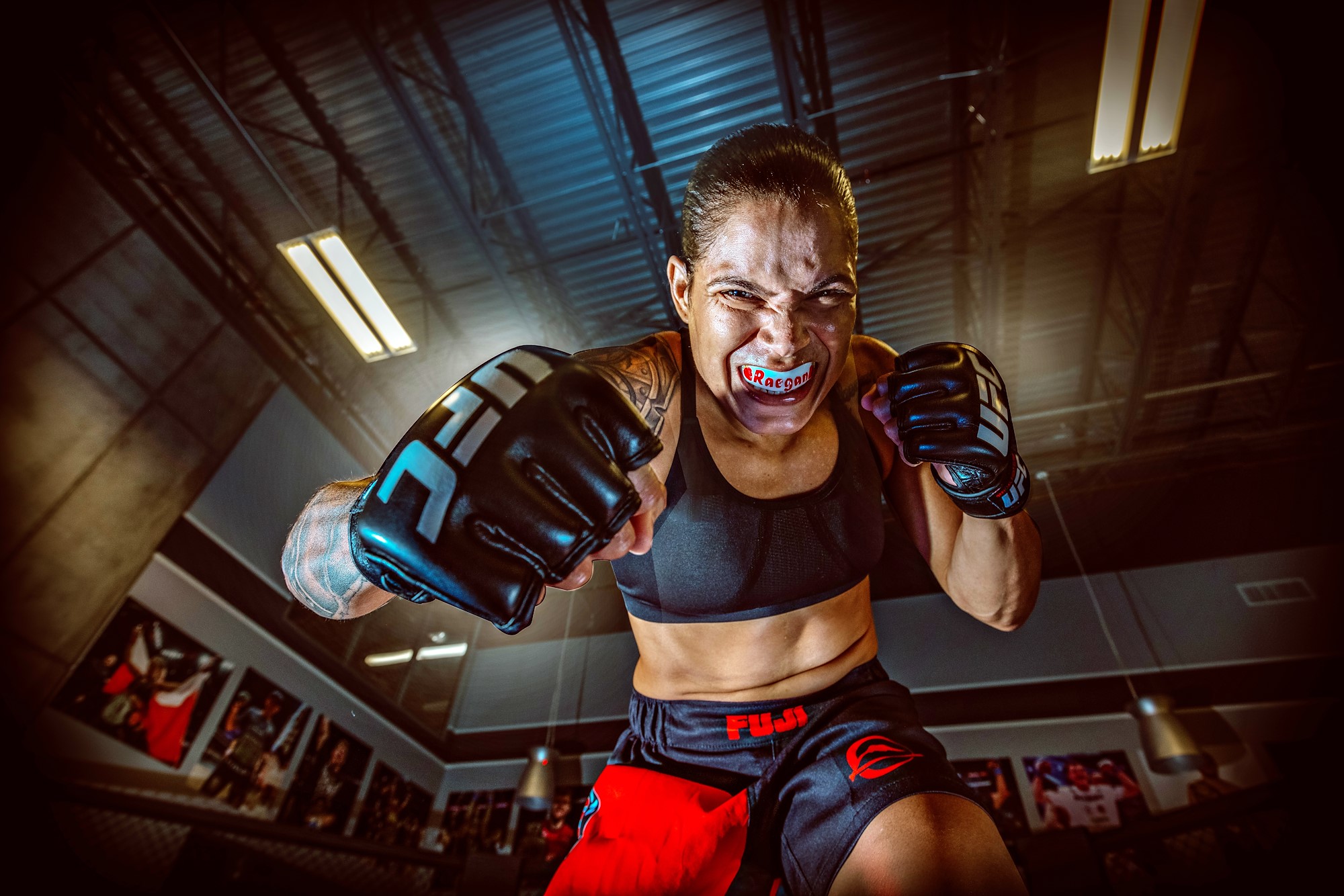
© Michelle VanTine
Autofocus & Burst
- Autofocus: Use continuous AF (AI Servo/AF-C) with flexible AF-area modes (zone, expanded, or tracking) tuned to the sport's pace and directionality.
- Burst: Shooting in bursts during peak sequences to improve your odds of nailing the one frame where ball, face, and gesture align.
On the technical mindset, sports photographer Brea Bursch says, "You need to know your camera like you know your own reflexes." And when it comes to timing, she says, "If you're reacting, you're already too late." Those sharp reflexes may not be second nature at first, but experience will quicken your reaction time until the camera feels like an extension of yourself.
Gear Essentials: Invest Smartly
You don't need a wide array of lenses to start. Many photographers invest in multiple lenses before mastering one. Do your research and invest in a high-quality lens that prioritizes fast, reliable autofocus with a decent burst rate. From your assignments and budget, it will continue to grow.
Camera Bodies
- Entry to enthusiasts: Modern crop-sensor DSLRs and mirrorless bodies with solid AF and 8+ fps bursts are perfectly capable for most youth and amateur sports.
- Advanced to pro: Full-frame bodies typically have cleaner high-ISO files and stronger AF tracking in complex scenes, which helps for poorly lit gyms and night games.
Tips
- Assign back-button focus to separate AF from the shutter.
- Save a "fast action" custom mode (e.g., 1/1000 sec, Auto ISO, AF-C, continuous high) so you can jump in immediately.
Lenses
Pick glass based on field access and light:
- 70–200mm f/2.8 is the classic sideline workhorse for court and field sports.
- 300–400mm telephotos help when you're restricted to the end line or stands.
- Fast primes (e.g., 85mm f/1.8, 135mm f/2) shine for indoor, low-light portraits and tighter environmental details.
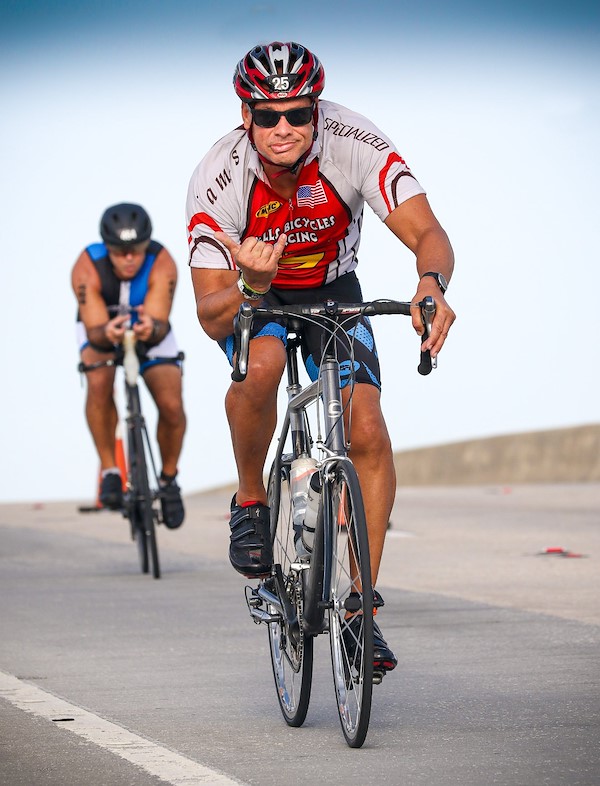
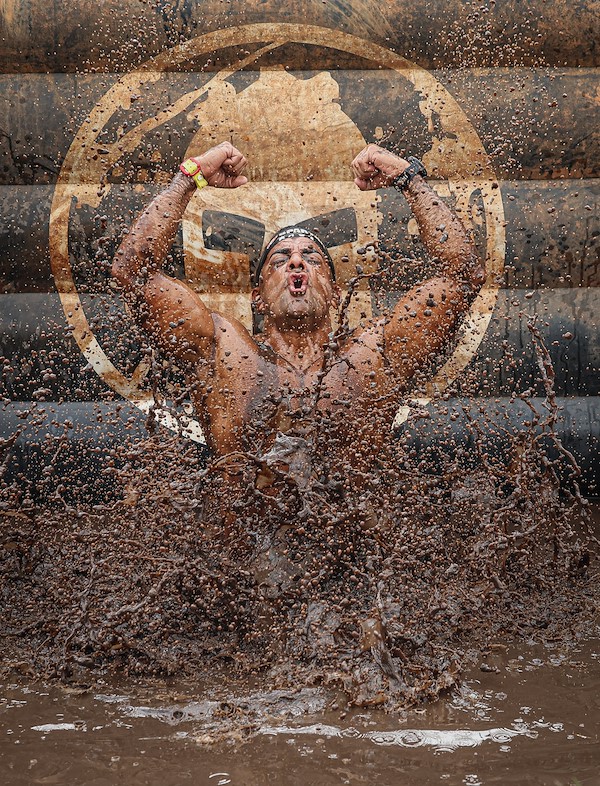
From an endurance-events specialist perspective, JP Pedicino of JP Pedicino Photography and Michelle VanTine both agree that the Canon RF 70-200mm F2.8 L IS USM Z is their go-to equipment. And on why it's such a mainstay, JP Pedicino says, "The image stabilization is excellent, the autofocus is quick and reliable, and the build quality is exactly what you'd expect from Canon's L-series."
© JP Pedicino
Support Gear & Comfort
- Monopod: Stabilize long lenses without sacrificing movement in tight sidelines.
- Extra batteries & cards: Burst shooting drains both quickly, and it's always smart to have backups ready to go.
- Weather covers & microfiber cloths: Outdoor sports don't always coincide with good weather. Be prepared for rain, wind, and more.
- A comfortable sling/strap: Cameras with long lenses aren't light, and having a comfortable strap helps protect your back.
Smart Investing & Renting
- Investing: Start with one flexible zoom matched to your primary sport (often 70–200mm).
- Rent: Before you purchase specialty lenses (300mm/400mm), try renting them for occasional needs to keep costs manageable.
- Tips: As you book more, upgrade strategically where it directly improves your hit rate (AF performance, lens speed, focal length you constantly wish you had).
The camera, lenses, and extra equipment you utilize make a difference in the quality of images you produce. But there's something that might matter more. JP Pedicino's best tip is: "The most important skill to me is charisma. Gear and skill matter but bringing great energy and connecting with people is what really sets a photographer apart." In the next section, we'll review the mindset that can make you stand out amongst the rest.
Professional Mindset
Professionalism and respect go a long way, especially in this field. As JC Ruiz of JC Ruiz Photography says, "The sports photography community is small. I've seen photography with amazing talent get blacklisted essentially for how they treat other people." Sometimes it doesn't come down to the skill of the photographer, but the preparation, demeanor, and respect they bring to each assignment.
Build Trust
Coaches, staff, and athletes are more welcoming if you respect boundaries and work unobtrusively. Over time, those connections lead to better access and unique vantage points.
Have the Right Attitude
No one wants to work with a disrespectful photographer, no matter how talented they are. Show up to each assignment, no matter how big or small, ready to work and excited to be there.
Delivery Time
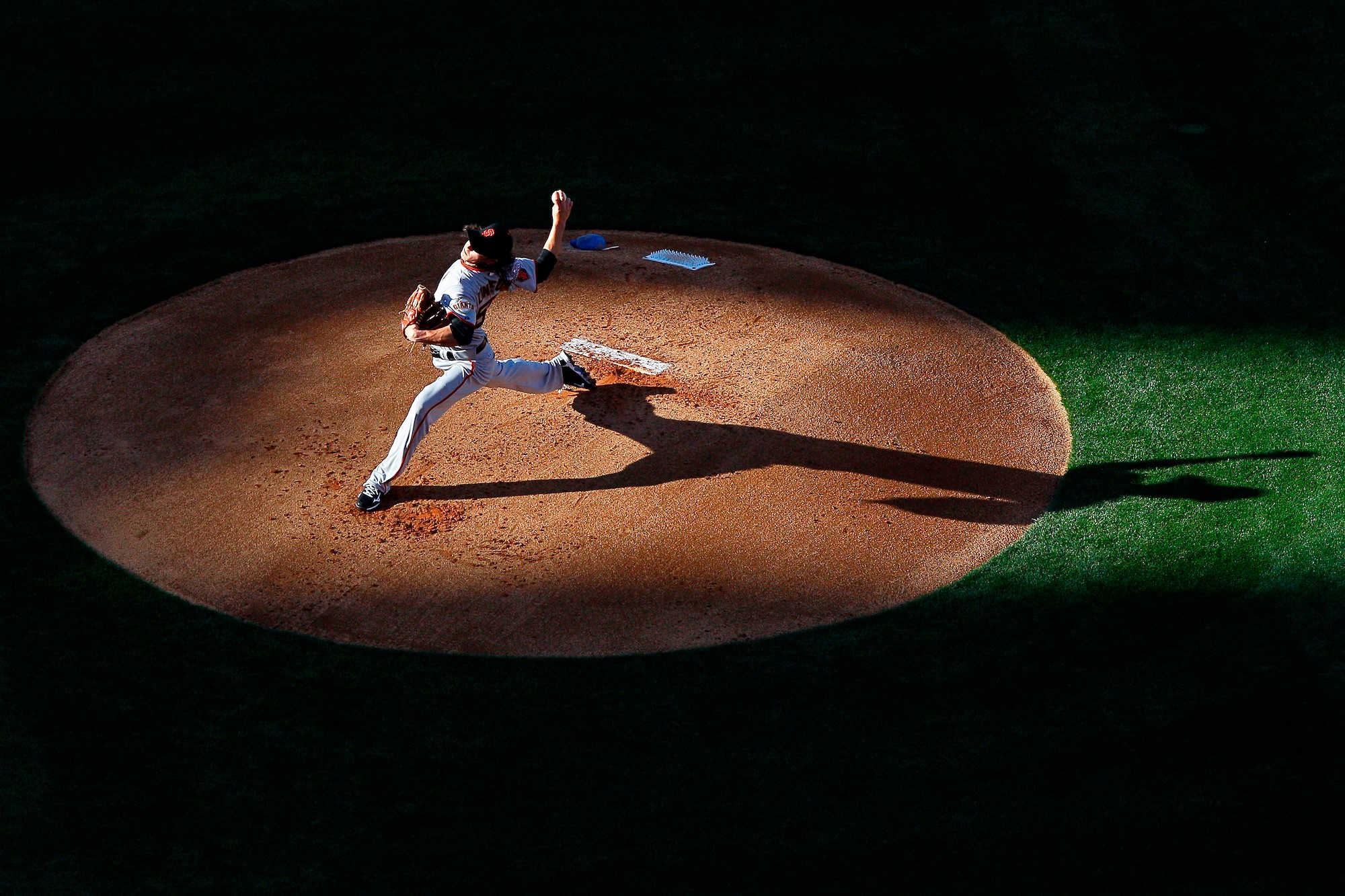
In this field, a quick turnaround time is everything. Ric Tapia of TapiaPhoto summarizes, "Sports photography is about speed. I need to get my images out as fast as possible to my client or editor." Often, that delivery time is as soon as 24-36 hours after the event. Later, we'll go over tips for the editing process and how best to deliver within that short timeframe.
At the end of the day, your mindset and actions can put you ahead or be your downfall. JP Pedicino says it best, "Be reliable. Show up early, deliver what you promised, and bring good energy. If you're professional, personable, and consistent, you'll keep getting booked." You'll be surprised how far a professional demeanor and go-getter attitude can take you.
© Ric Tapia
Know the Sport & Venue
Great sports photography starts long before you press the shutter. Being familiar with the venue and having a baseline understanding of the gain helps you anticipate and adapt without missing a beat.
Learn the Game
In simple terms, Brea Bursch says, "You've got to understand the sport." You don't have to be an expert, but the more familiar you are with the sport, the better you can predict what's about to happen. Knowing
the rules, general plays, and how athletes move allows you to pre-visualize where decisive action might occur.
Know the Venue
Lighting, sightlines, and restrictions differ at every field, gym, or arena. Walk the space early to note where natural light falls, where shadows cut across the field, and which angles give you a transparent background versus clutter. Indoor venues often introduce challenges like sodium vapor lights, flicker, or mixed color temperatures, requiring manual white balance or RAW flexibility.
Positioning & Perspective
Where you stand shapes the story you tell. The sidelines and baselines are obvious starting points, but creative perspectives often come from looking high, low, or off to the side.
Get Close
For emotional sideline reactions, such as players cheering, coaches shouting, or teammates embracing, physical closeness matters. When access is limited, use long lenses strategically to isolate expressions from afar. Start with youth leagues, local rec games, or practices. These give you space to experiment with angles, bursts, and settings without the pressure of missing high-profile plays. Ric Tapia advises, "Go to a JV game or youth rec league game. Your access will be nearly unlimited, which means you can get unique angles."

© Ric Tapia
Play with Angles
- Low angles make athletes look larger-than-life, emphasizing intensity and stature.
- High angles show patterns of play, formations, or the drama of a crowd.
- Off-center compositions (framing a sprinter tight to one side, leaving negative space in their direction of movement) convey speed and anticipation.
The key is flexibility: move when you can, experiment with new sightlines, and chase the story rather than planting in one safe spot.
Camera Settings & Workflow
While gear, lighting, and perspective all matter, your ability to dial in settings on instinct is what keeps you ready for fleeting plays.
Shooting Modes
- Shutter Priority (Tv/S mode): Lets you lock fast shutter speeds while the camera balances aperture/ISO.
- Manual mode with Auto ISO: Keeps control in your hands while adapting to shifting light.
- Custom modes: Pre-program fast-action settings (e.g., 1/1000 sec, AF-C, burst) so you're never fumbling.
RAW vs. JPEG
- RAW: Provides flexibility in exposure, white balance, and recovery, which is vital for mixed lighting or highlights/shadows.
- JPEG: Allows for extended burst depth, functional in long sequences. Consider your assignment's needs (speed vs. control).
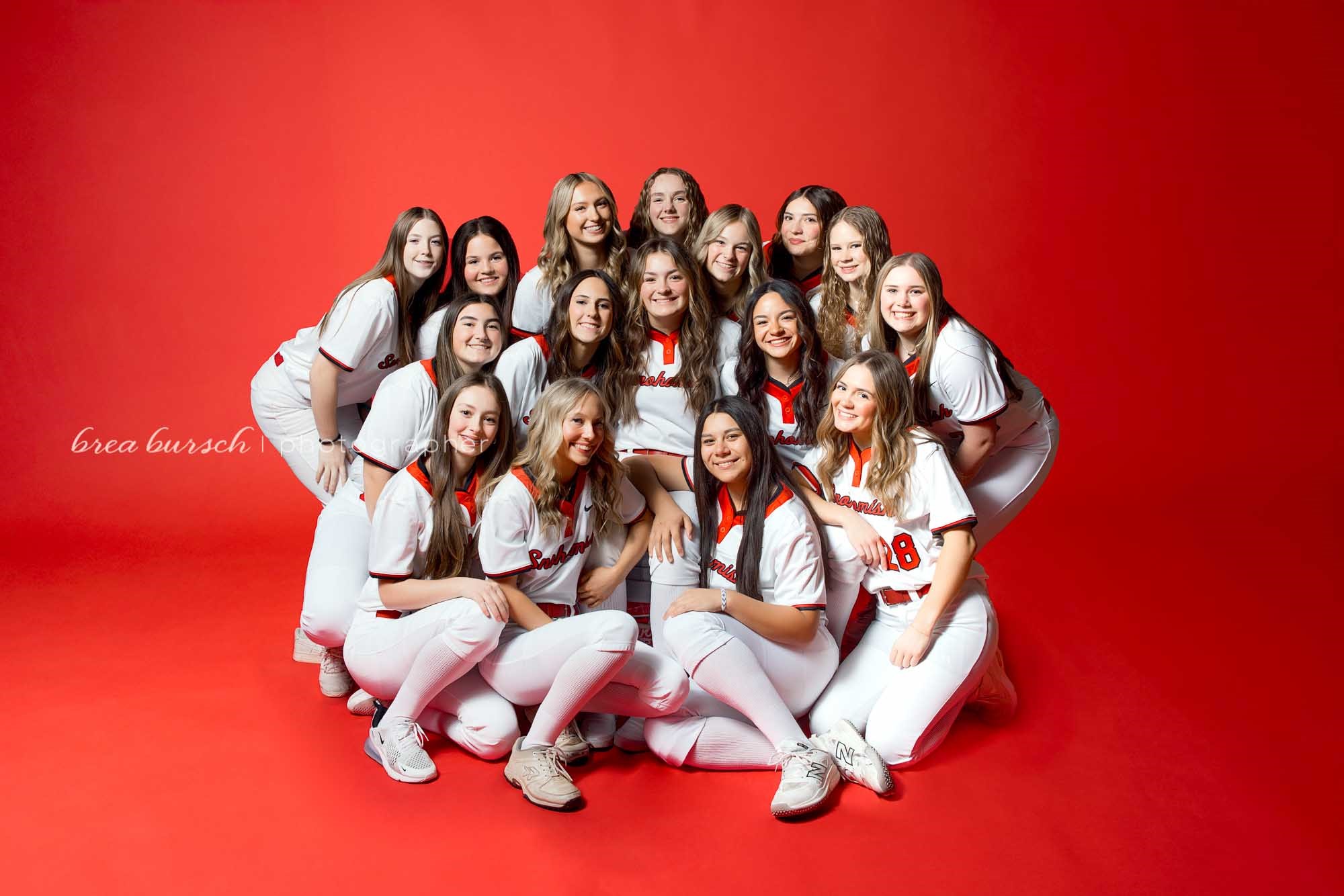
Brea Bursch admits she shoots in JPEG due to her years of experience in portrait photography. She says, "My post-process is quick and clean. Fast turnaround, zero fluff." For experts, this style works well, but beginners are advised to shoot in RAW to allow more flexibility in editing.
Image Stabilization
For action above 1/1000 sec, stabilization can be turned off to reduce lag in bursts. For slower panning shots, leave it on.
Shooting Strategies
- Freeze: High shutter speeds (1/1000+) for crisp ball-on-foot, hair-in-air action.
- Flow: Slower pans and intentional blur to show motion lines.
Experience and repetition teach timing, but a few core strategies accelerate your learning curve.
Editing & Post-Processing
The work doesn't stop when the whistle blows. Thoughtful curation and editing elevate good frames into professional results. In the wise words of JP Pedicino: "Every photo should tell a story, and our post-process helps bring those stories to life."
- Select the Best Frames: Burst sequences produce near-duplicates, so you must be ruthless. Pick the image with peak expression, clean framing, and the strongest story.
- Crop & Straighten:Tight crops focus on impact; level horizons keep the frame balanced (especially in sports with courts, nets, or fields of play).
- Adjust Exposure & Color: Correct for tricky lighting. Stadium lights may cast odd color casts—fix in post if needed. RAW files help here.
- Sharpen & Reduce Noise: High-ISO shots benefit from selective noise reduction and sharpening on key details like faces or logos.
Some photographers, like Brea Bursch and JC Ruiz, have a very minimal post-process. His editing includes "Slight exposure and correction along with a crop (if necessary), and that's it." Other professionals spend the majority of the short turnaround time solely editing, making both large and small tweaks until they deem the gallery near perfect. Each photographer has to find the editing process that works best for them.
© Brea Bursch
Pricing
Unlike most jobs, there's no set pricing in sports photography. While some photographers accept pricing proposed by editors or the event team, others build out custom pricing for each assignment.
Tailored Pricing
Create a custom rate for each event. Consider factors such as event size, duration, location, the number of photographers needed, and the expected turnaround time. While this is more work initially for each assignment, it ensures you're being paid accordingly for each job.
Create a Package
This kind of pricing breaks down each item to show the client the amount of work that goes into the entire assignment. Michelle VanTine out provides an example:
- Pre-planning half day (if relevant): $500
- Half day on location: $1,350
- Full day of retouching (30 images @ $35/image): $1,050
- Total for 2.5 workdays and full usage rights: $2,900
This kind of pricing allows the client a more personal look into the time, effort, and energy that goes into the work. It's essential to do your research beforehand, as Michelle says, "In commercial work, knowing your market is everything."
These are just two examples of pricing. There are many ways to set rates, such as freelance rates, half-day versus full-day rates, hourly charges, or simply accepting the rate specified by the client. When determining your own prices, it's important to consider factors like usage rights, licensing, and the time it will take to complete the editing. Some photographers also recommend factoring in the cost of equipment, your years of experience, and the value you can offer to the client.
Conclusion
Sports photography is much more than the plays and score. There's so much raw emotion in the game, you just have to know where to look. Harnessing that raw emotion will tell a bigger story than the final score ever could.
JC Ruiz summarizes, "Shooting sports isn't just about sports. You need to be a portrait photographer and understand lighting fundamentals. You have to be a landscape photographer and understand composition as well as an event photographer. All of those genres of photography are used daily in sports photography."
Key Takeaways:
- Learn the sport, study the venue, and anticipate the flow.
- Master your camera settings until they're second nature.
- Capture not only the action but also the emotions around it.
- Build relationships with athletes, coaches, and clients.
- Create a story through your images.
Sports photography is as much about timing, anticipation, and heart as it is about gear. Your best asset is your understanding of the game, and your dedication is evident when it matters.