What Is Boudoir Photography?
Boudoir photography is an intimate and highly artistic form of photography that involves romantic, or sensual photos of individuals or groups of people. Boudoir celebrates people from all walks of life and all body types.
You might have recently taken an interest in shooting boudoir photography. If so, then this article will walk you through everything you need to know. It covers the basics such as the art of boudoir, running and marketing your own business, and what type of gear you need. You'll also learn about different types of boudoir styles, and how to work with clients effectively and with care. For this piece, we consulted with different photographers to get their perspectives and advice for new boudoir photographers. You can use these tips to practice your boudoir skills on your journey to becoming a professional.
Why Boudoir
Since boudoir is an intimate form of photography, it needs to be treated with care, and you need to be in it for the right reasons. As you're getting started, Angel & Yoly of ScreamingColours Boudoir, state that you need to "know your 'why.' If your purpose is to help women feel beautiful and confident, that passion will shine through your work and truly resonate with your clients." Photographers get into boudoir for a variety of personal reasons, and they usually transition from shooting portraiture or lifestyle photographs. Leah Tyler-Szucki of Red Deer Boudoir got started in boudoir because she wanted to be a full-time photographer. She says that she feels like boudoir "has always leaned more toward empowerment and creative sessions for women" more than anything else.
Art of Boudoir Styling
There are limitless possibilities when it comes to styling boudoir photos, which is part of what makes this type of photography so special. As you begin to experiment, you'll start to figure out which styles and compositions are most interesting to you. In the long run, this will help you establish your niche within boudoir. There are some overarching categories that can help guide you in deciding what styles you'd like to experiment with. It can be helpful to begin with classic and minimalist photos when you're starting out. However, you can always start with whatever styles feel most intriguing to you creatively.
"I've always been fascinated by the female form and drawn to capturing it as art—real, raw, and beautiful. Long before I photographed weddings or lifestyle sessions, boudoir was my creative playground, and honestly, it still is." - Kristina Lee
Styles of Boudoir
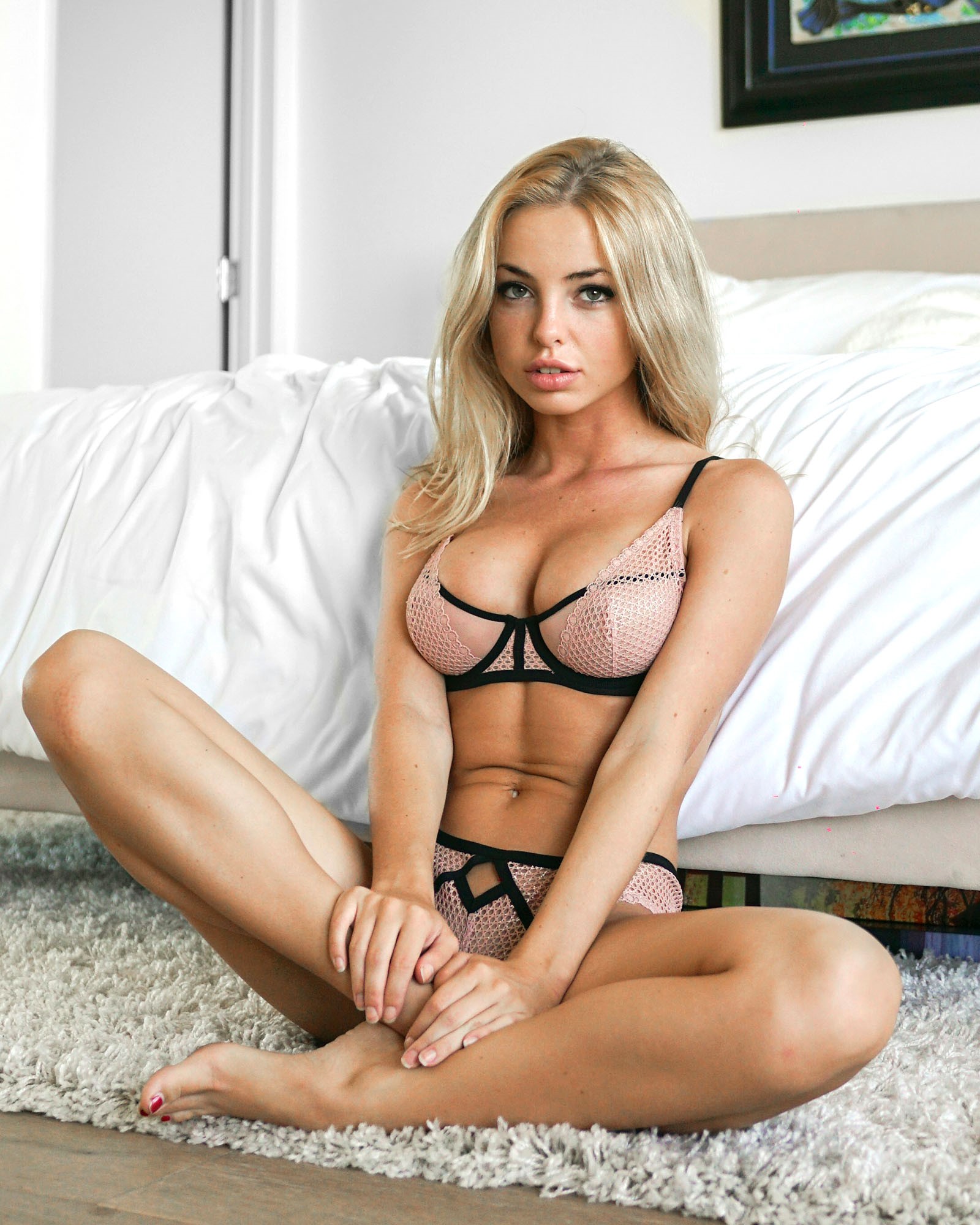
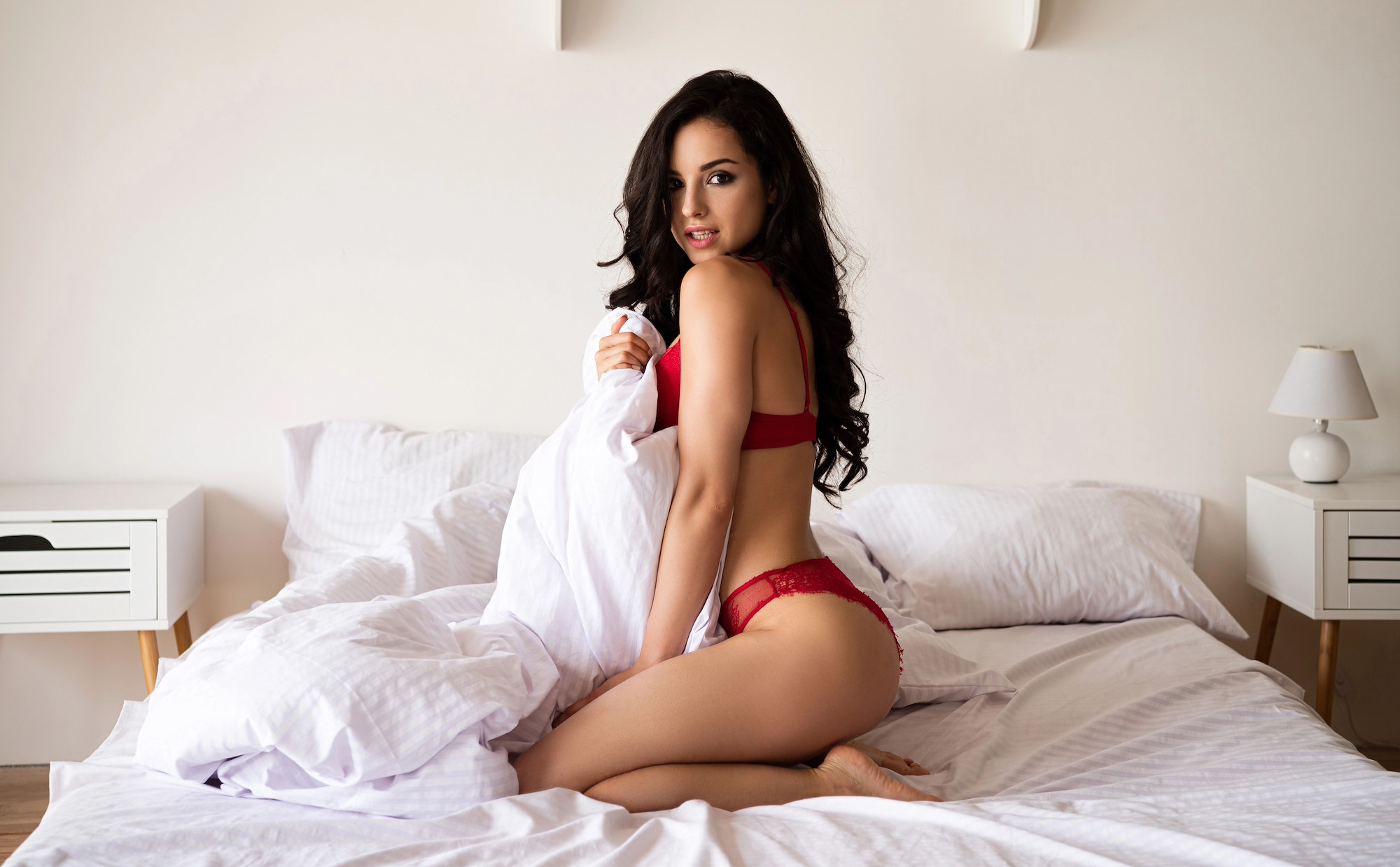
- Classic: This is an excellent choice for beginner boudoir photographers due to its traditional approach and limited scope. These types of photos are elegant, romantic and highlight the subject's sensuality. They involve traditional poses such as having the model lay on a bed or sit on a couch.
- Minimalist: As the name implies, minimalist boudoir uses very little visual elements and is often shot in spacious environments. It has an elegant and modern feel to it. The person in the photo is the main focus and their interaction with the environment is limited.
- Lifestyle: These photos capture scenes in everyday surroundings that feel natural and candid. There are a lot of different settings to consider including living rooms, kitchens, or even outside settings like porches or backyards.
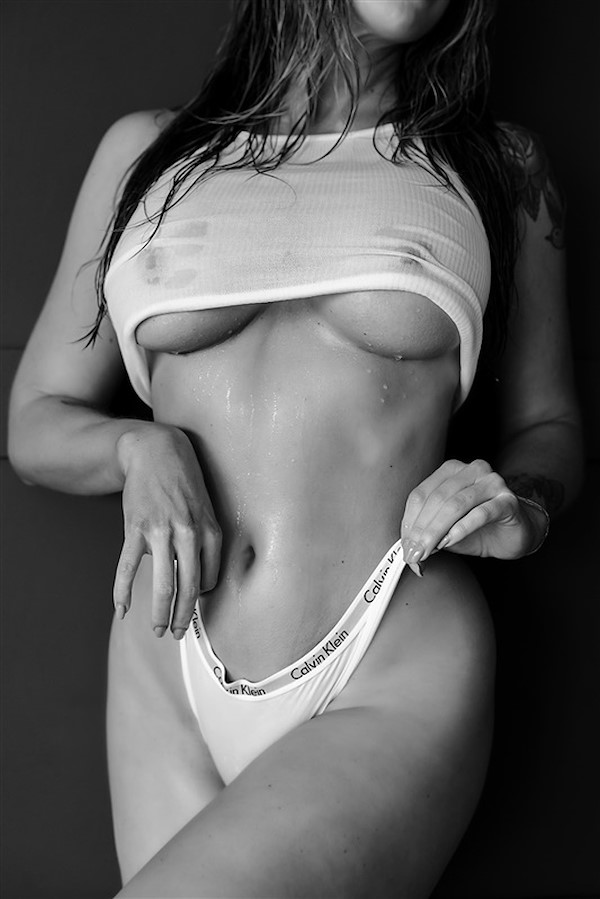
- Bodyscape: This highly artistic style of photography involves closeup photos of the human figure. It focuses on different body parts and often has a landscape or abstract feeling to it. The subject is usually nude or might be covered in a sheer cloth that conforms and accentuates their figure.
© Kristina Lee
Fine Art and Beyond
This is catch-all term describes more creative and complex boudoir photos. Despite the intricacy involved, you can experiment with fine art photos right from the beginning. Every photographer goes through trial-and-error when starting out, so remember to be kind to yourself. Brynne shared that, "My first session was with a beautiful model who let me experiment, and even though the images look pretty amateur to me now, I was so proud, and I was hooked." Regardless of your current skill level, the more you use your camera, the easier boudoir will become for you. This will pay off in the long run as you become a better photographer.
Sub-categories of Fine Art Boudoir
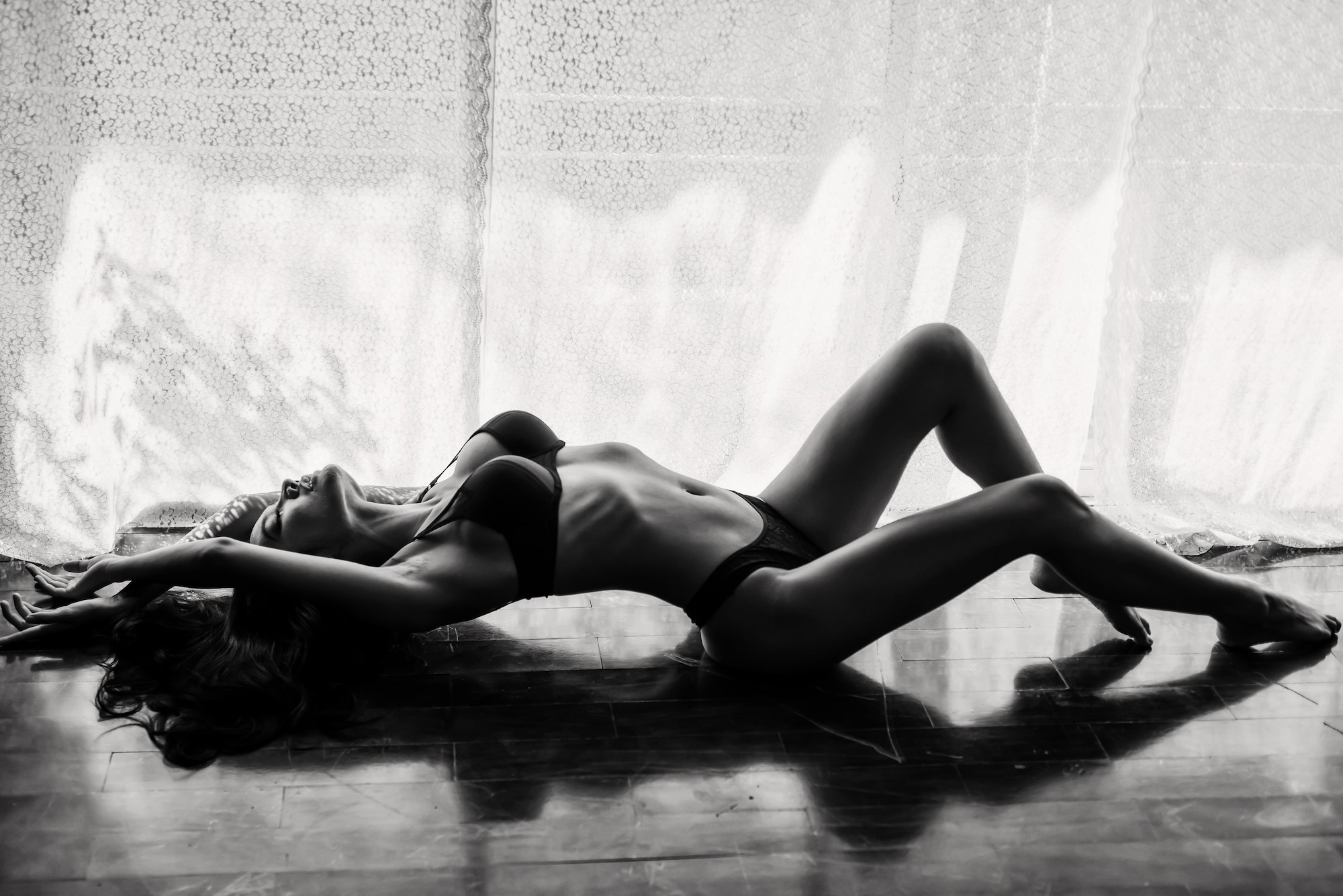
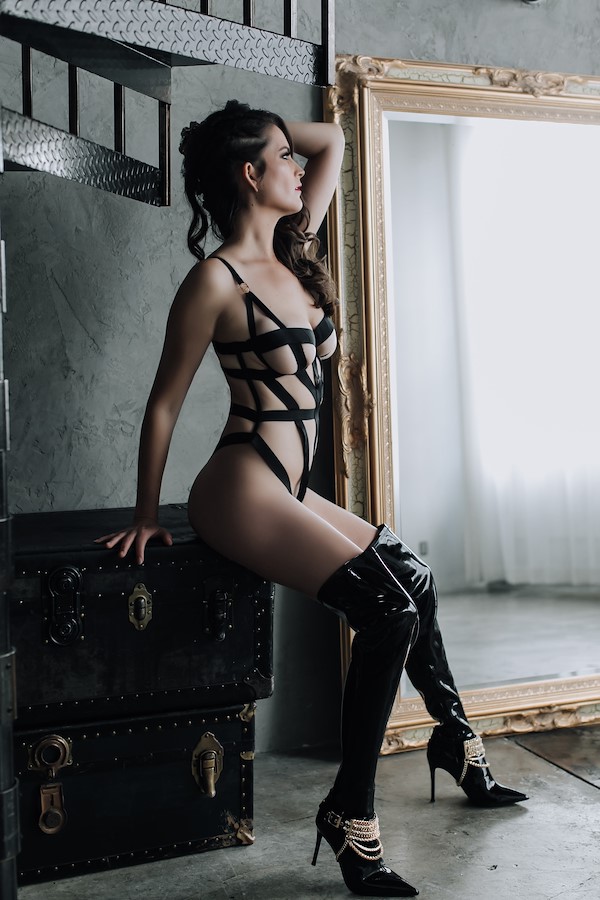
- Dark and Moody: This style uses dark shadows and dramatic lighting to convey bold, sultry, and powerful photos. Standing poses and intense gazes work well.
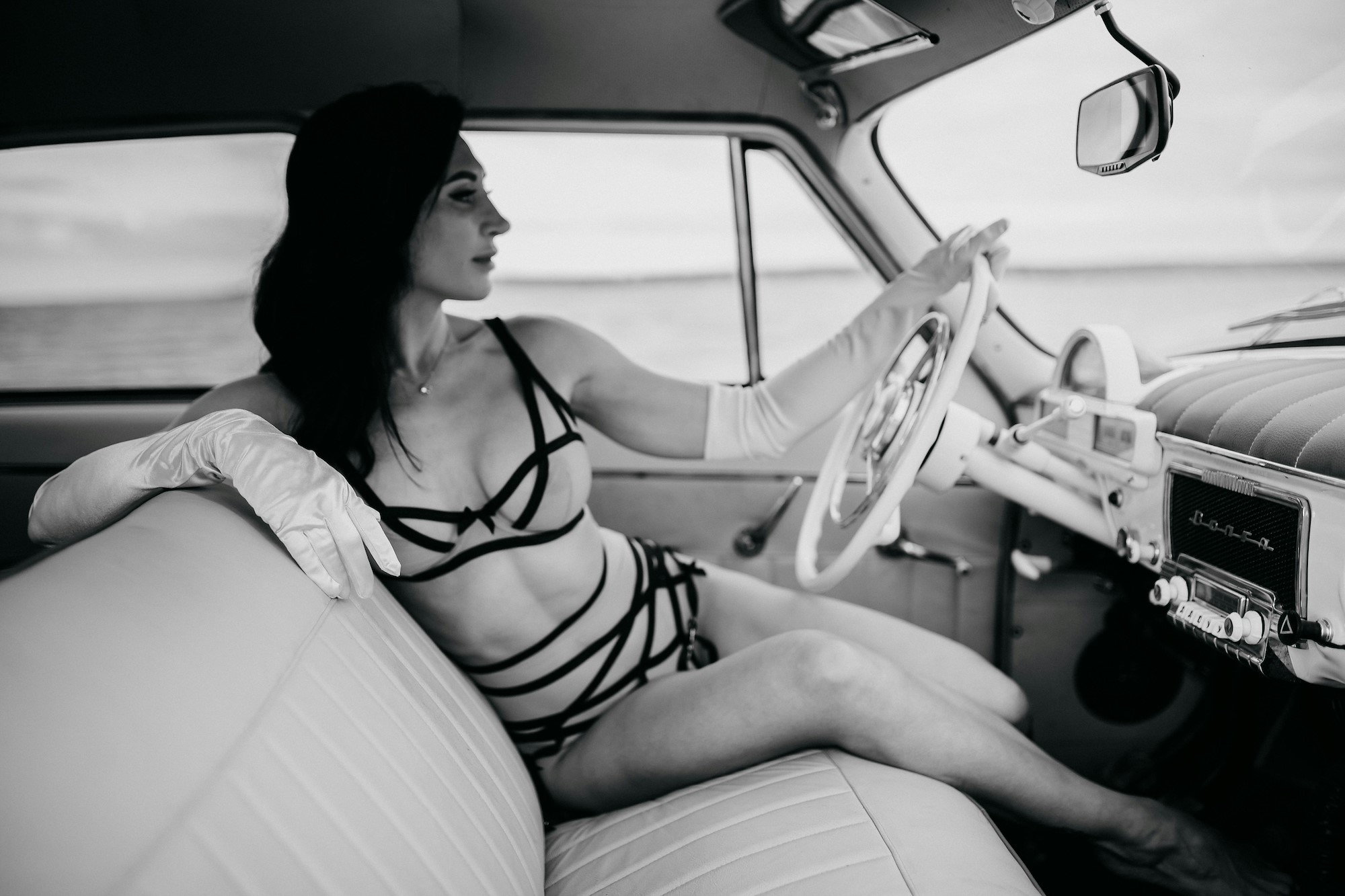
- Pin-up: Inspired by vintage pin-up models from the 1950s, it uses vintage glamour and features classic clothing and playful poses. It often has a seductive and playful feel to it.
- Luminous: These photos are light and airy and convey and ethereal and magical feel to them. You can experiment with soft facial expressions and soft props like pillows and blankets.
- Playful: This is a fun style conveys a sense of jo and that uses a bright and playful color palette. It can also incorporate props such as feathers, flowers or even more unusual props like balloons.
Studios and Locations
Photographers all have their preferred studios and locations where they shoot. Kristina used to have her own studio but these days she chooses locations based on the client's vision. "I love the freedom—it keeps my portfolio fresh and lets every shoot feel completely unique to the person in front of my camera." Some ideas of where to shoot include secluded outdoors spaces, luxury hotel suites or even clients' homes.
Many photographers have their own private studios either in their homes or spaces they rent out. Brynne says that her studio is "intentionally simple and intimate. It doesn't feel like a production set. It feels like a safe, inviting space where you can just be yourself."
Hair and Makeup
All the photographers that were consulted with for this article provide hair and makeup services as part of the boudoir shoot. They use professional hair and makeup artists to style their clients. These sessions provide an opportunity to build the client photographer relationship before the shoot. It not only makes the client feel pampered and beautiful, but it puts them at ease. Many people have never had their hair and makeup professionally done before so it creates a special experience for the client.
Choosing Outfits
There are many little things to consider in terms of outfits. Ultimately, whatever attire makes your clients feel most comfortable and authentic will result in both better experiences for the clients and better photos. Outfit considerations include:
- Types of attire: Conventional outfits include bras and underwear, robes, stockings and even boxers or briefs depending on the gender expression of your client.
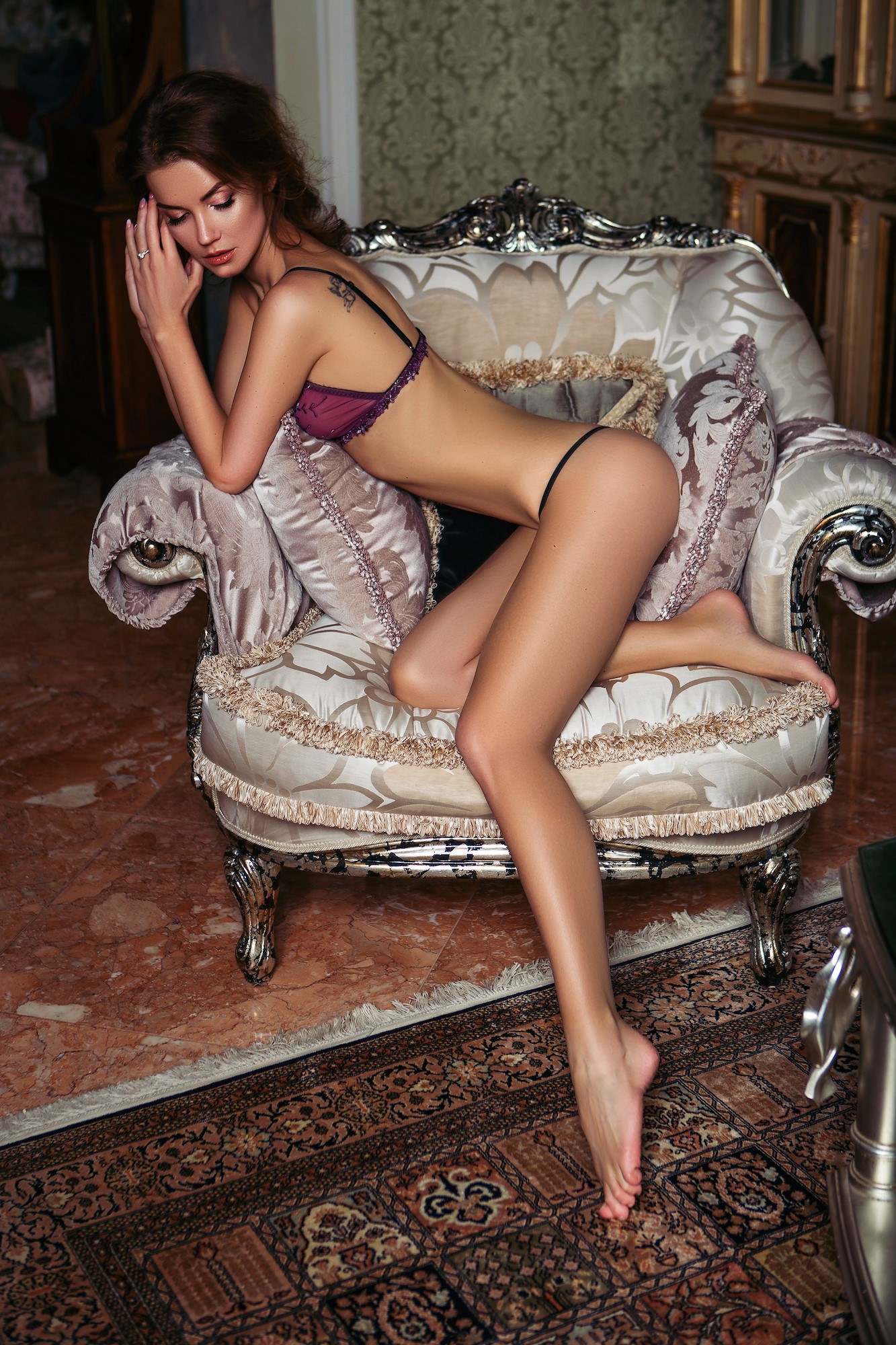
- Color and patterns: For solid colors, red, black, and white outfits are classic choices. They are versatile and can work nicely with any type of boudoir. For patterns, look for anything visually appealing, whether it be the color palette, or the image or pattern itself. Floral patterns are quite common.
- Fabric, materials and texture: Silk, velvet, and lace are all good choices. You can even go for something bolder like leather or lingerie with chains.
- Accessories: Any shoes, jewelry or props to enhance the overall aesthetic.
Posing
If you ask any professional boudoir photographer, they will say there's no one-size-fits all approach for posing clients. For example, Brynne will demonstrate poses so her clients can mirror her. She tells her clients that, "Simple movements like arching a back, dropping a hip, softening the gaze go a long way."
Kristina describes how some women are confident in all poses and need little direction, while others need a little more guidance. She emphasizes that both are completely normal. "My job is to guide them, so the end result feels natural, confident, and true to them," she states.
Basic Poses for Boudoir
- Relaxed lying poses: A great starting point for people who are new to being in front of the camera. It also helps beginner photographers as they learn the basics of posing their subjects.
- Assertive standing poses: These poses convey power and confidence. You can try different variations on a standing pose like having your subject lean up against a wall or facing a mirror.
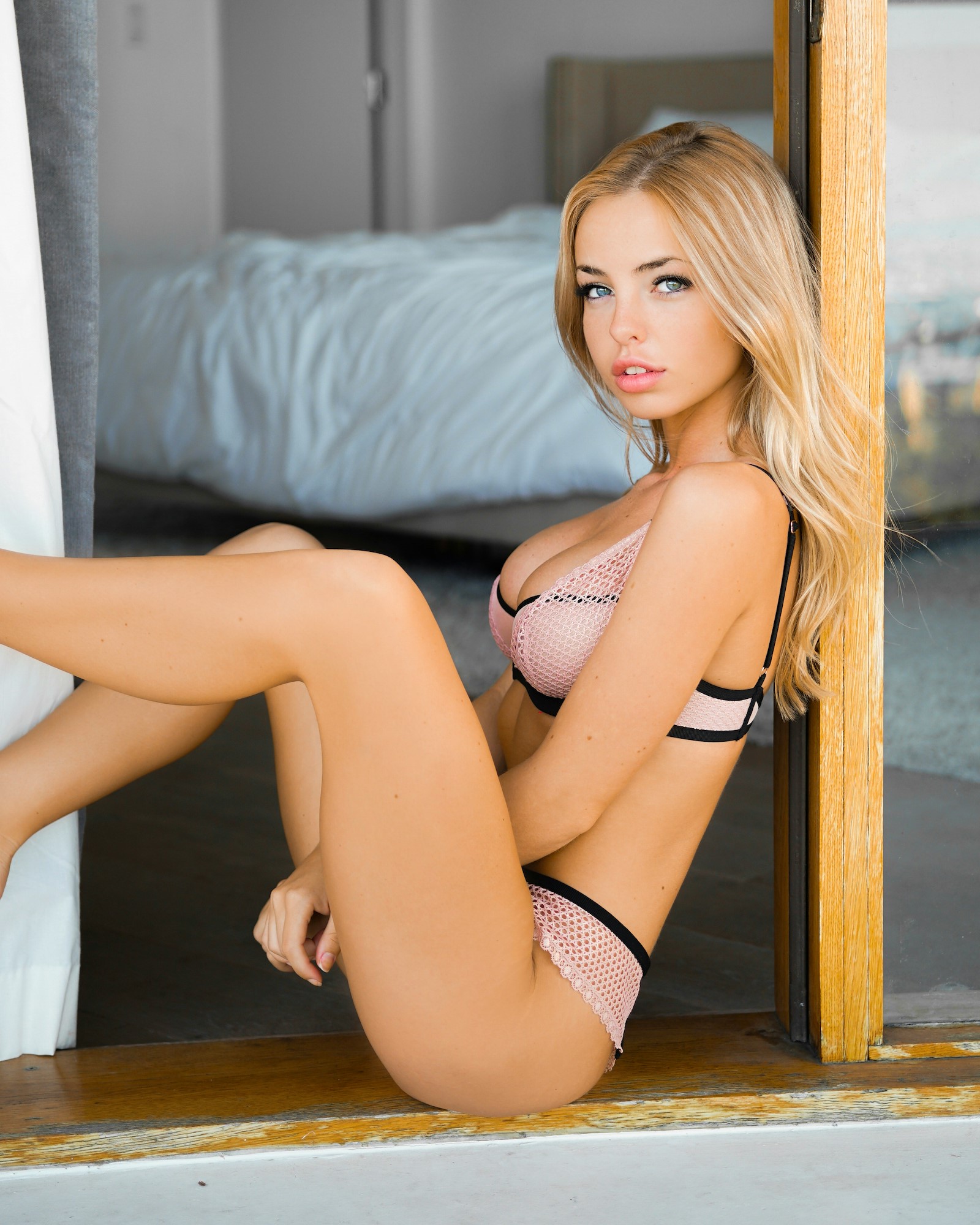
- Sitting poses: Also a great choice for those who are new to being in front of the camera. Seated poses can convey anything from playfulness to power.
- Contemplative poses: These poses convey mindfulness, and a connection to the present moment.
The Business of Boudoir
There is both required and optional equipment when it comes to photography and boudoir is no different. Each photographer has their go-to gear and equipment. If you ask boudoir photographers what their favorite piece of gear is, many of them will actually say natural light. In many situations, using natural light is preferrable to using artificial light sources. "Our job is to elevate your natural beauty by guiding you into poses that feel empowering, elegant, and authentic to you. We fine-tune every detail—from angles to expressions—to bring out your confidence and best self," Angel and Yoly said.
As an established photographer, you likely already own a camera. If you are looking to buy a camera, Kristina recommends the Canon R5. She says it's "insanely sharp, has gorgeous color science, and handles natural and low light beautifully—perfect for capturing that editorial, intimate feel."
A necessary piece of equipment is your lens. A common lens that boudoir photographers use is a 50mm lens. Brynne says that A 50mm lens is a "must have for its ability to capture sharp, intimate details while keeping the vibe soft and natural." There are also other types of go-to equipment that boudoir photographers regularly use outside of technical gear. For example, Leah has a brown couch that she loves. She says that it offers great opportunities for posing and softens her clients' skin.
There are certain types of props you might want to have on hand as well. Depending on the type of shoot that you're doing, you might need a tripod or portable lighting. Having your own lighting is important if you're playing with light and shadows such as when dark and moody photos.
Building Your Portfolio
You'll need to build a boudoir portfolio to start your boudoir photography business. Leah recommends starting out by using models with a lot of confidence. This can help lessen your own nerves as you start shooting boudoir. Another common practice when you're beginning to build your portfolio is trade for prints (TFPs). This happens when both the photographer and model are building a portfolio. You can find online groups dedicated to finding folks who are interested in TFPs.
"Natural light is my favorite 'equipment.' No matter the camera, [we] focus on finding the right shadows and highlights that bring out emotion and shape-it's all about using light to create timeless, artistic images." - Angel and Yoly
Some photographers even start out by photographing friends or loved ones. Angel and Yoly started their journey into boudoir with a spontaneous photoshoot with each other. When reviewing their pictures they discovered that, "Not only had we created something visually powerful, but we had also uncovered a shared passion—to help women feel beautiful, confident, and celebrated. That was the spark that ignited our boudoir business."
Once you have a solid start to your portfolio, you should create a boudoir photography website. It's important to note that you will need consent from anyone you've photographed that you would like to feature in your portfolio. Having a website is necessary for marketing and attracting potential clients. You should look at other photographer websites for inspiration. Depending on your preference, you can use an online platform with customizable templates to create your own or hire a web designer to create one for you.
Marketing your Business
There are a few reasons why marketing is important. First and foremost, this is how you will land clients. Marketing not only helps you connect with your target audience but will lead to more clients and income for you. The great thing about being a photographer is that your body of work is what you will use to market your business. Marketing strategies include having a website, using social media, networking and going to trade shows, and getting client testimonials.
"Don't get caught up in thinking you need the fanciest gear or the perfect website before you start. Just begin. Remember that boudoir is about the person in front of the lens, not you. If you can make them feel seen and comfortable, the photos will always shine." - Brynne
A key part of your marketing strategy should include your website and social media. You should use social media to consistently market your business. You can post things like your professional photos, behind the scenes photos and any updates that you would like to share with your followers. Also be sure to spend time responding to comments and engaging with other accounts as well. It's a good idea to post client testimonials on your website and on your social media accounts. This will help build trust with future clients. Since boudoir is an intimate form of photography, trust is very important.
Networking is another great marketing strategy. You can join online or in-person groups for photographers and models. You can also attend photography trade shows to meet other photographers and keep up with the latest trends and technology. Since photography is so specific to you as an individual, you'll also have to decide what professional image you want to project and what your target demographic is. Are you hoping to work with folks who are new to posing for a camera or are you looking to work with experienced models? Or perhaps both. Be sure to weave this into your marketing strategy as well.
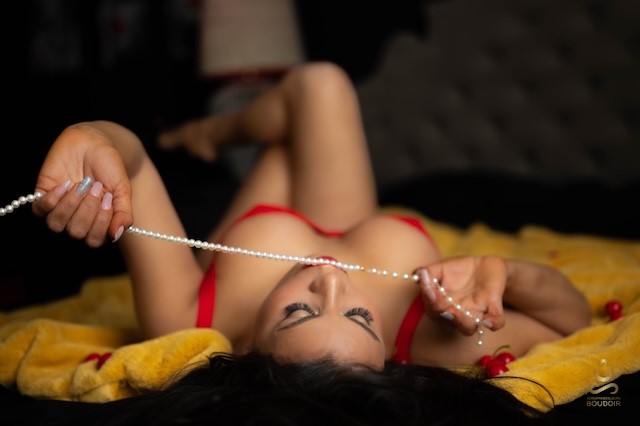
© Angel & Yoly
Things to Discuss Before Your Session with a Client
Remember, everyone has their own reasons for why they want to participate in boudoir photography, and it's your job to ensure that they feel safe, respected, and empowered. Prior to having a photoshoot, you should have a conversation with potential clients on what to expect. This gives both parties opportunities to discuss logistics and answer any questions that clients might have. Boundaries and comfort are important topics to cover. While some clients may be comfortable with and request fully nude photos, other clients may want to be photographed in modest attire. As a photographer, you will have your own boundaries as well. Perhaps you don't shoot fully nude photos or overly suggestive poses. It is important to discuss this with your client to ensure that working together will be a good fit.
Putting Clients at Ease
Leah has a standard routine that helps put clients at ease. She says that photoshoots start with hair and makeup sessions where they spend the first hour chatting about life. This helps ease clients into the overall experience. She lets them know that the first 15 minutes will likely be awkward, but after that, things will start to feel more natural. She chats with her clients throughout the sessions and describes them as feeling more like coffee dates than potentially uncomfortable situations. Some photographers let the clients take the lead on what feels natural for posing, while others will give them guidance every step of the way. Some photographers will even demonstrate poses for their clients.
Additional ways to put your clients at ease:
- Offering for the client to bring a friend to be in the room during the shoot
- Offering to find a neutral space instead of a home studio if that would make the client feel more comfortable
- Provide breaks as needed (suggest that they bring a robe to wear during breaks)
- Provide water or tea
- Play soft music in the background
Ensuring that both you and your model both feel safe and comfortable during the shoot will not only improve the quality of your photos but could lead to future work together or referrals to other clients.
Vision for the Shoot
It can be a good idea to go through your portfolio with prospective clients. This will give you and your clients an opportunity to discuss styles of photos that they would like to create. You can also let them know what types of photos you are skilled at shooting to ensure a good fit. For example, you might specialize in classic boudoir but have less experience in bodyscapes.
Closing Thoughts
Boudoir photography is an empowering form of photography for both the client and the photographer. It helps clients increase their self-confidence, reclaim their sexuality and more. As you begin your boudoir journey, you can refer to back to this guide as a reference on artistry, how to run and market your business, and working with clients. The best advice is to begin practicing and building your skillset.