What Is Commercial Photography?
Commercial photography is any photography created with the goal of selling, promoting, or supporting a product, service, or brand. As Peita Reincastle from Bloom Creative says, "It's not just about showing a product, it's about telling a story that drives sales." In short, if a business is paying you to help them make money, you're doing commercial work.
From social media content and advertising campaigns to brand launches and product catalogs, commercial photography is an integral part of our everyday lives. It's all around us, and it's a field that is only continuing to expand. With numerous unique sectors and opportunities for success, commercial photography is a rewarding avenue that is ideal for beginner photographers.
In this guide, we'll explain exactly what commercial photography is, the types of clients and projects you can pursue, what you need to get started (spoiler: it's not all about gear!), how to price your work, and how to land your first clients. Whether you're an experienced photographer wanting to grow your business or just starting your photography journey, this is your roadmap to turning creativity into reliable income.
That could look like this:
- Photographing a clothing line for their website and ads
- Creating clean, styled shots of a new product
- Capturing a brand's office culture for LinkedIn or recruiting materials
- Shooting behind-the-scenes content for a business's Instagram
- Providing high-quality food photography for a local restaurant's delivery platforms
Unlike wedding or portrait photography, which serves a sentimental or personal purpose, commercial images serve a business purpose. That purpose might be direct sales (think product photography on Amazon), or it might be storytelling (like a lifestyle shoot for a new coffee brand). Additionally, editorial photography differs from commercial photography in that it supports articles and features in magazines or blogs, as opposed to promoting a product or advertising a service.
While the lines can blur, especially on social media, the difference usually comes down to intent and usage. And yes, commercial work often pays much more than traditional sessions, in part because you're not just being paid for your time and skill. You're being paid for the right to use your images to make money.
Types of Commercial Photography
Commercial photography isn't one-size-fits-all. One of the most exciting aspects of this field is its diversity. From polished shoots to real-world storytelling through candid shots, there's a wide range of niches. All it takes is patience and curiosity to discover which style is the best fit for your skill set and interests.
Product Photography
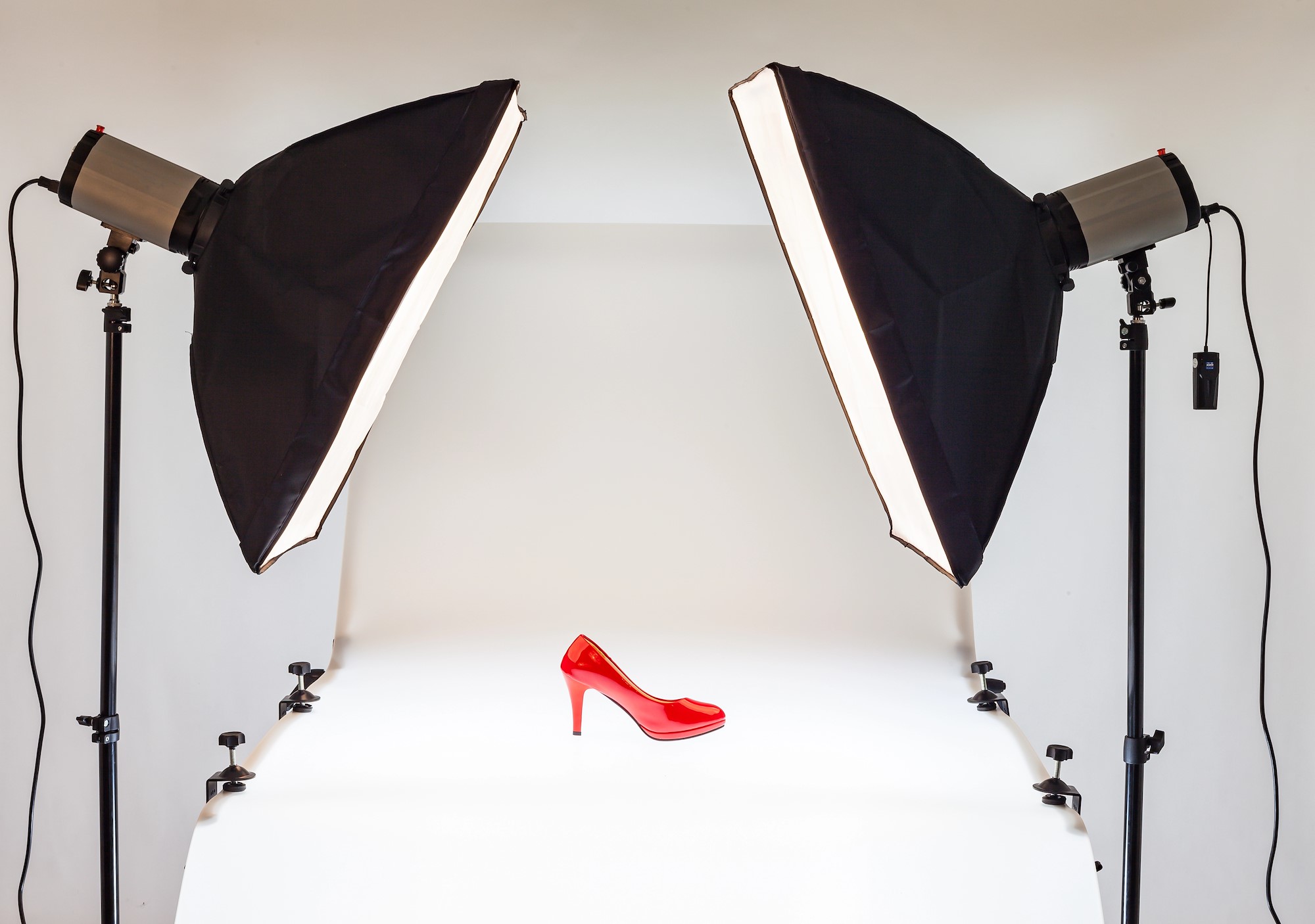
This detail-driven photography is most likely the type of commercial photography you're most familiar with. Often, these photos showcase products against white backgrounds or styled sets and are utilized on e-commerce sites. However, product photography also appears in print catalogs, packaging, and digital ads. Precision and consistency are key here, as businesses need their products to look both appealing and accurate.
Food and Beverage Photography
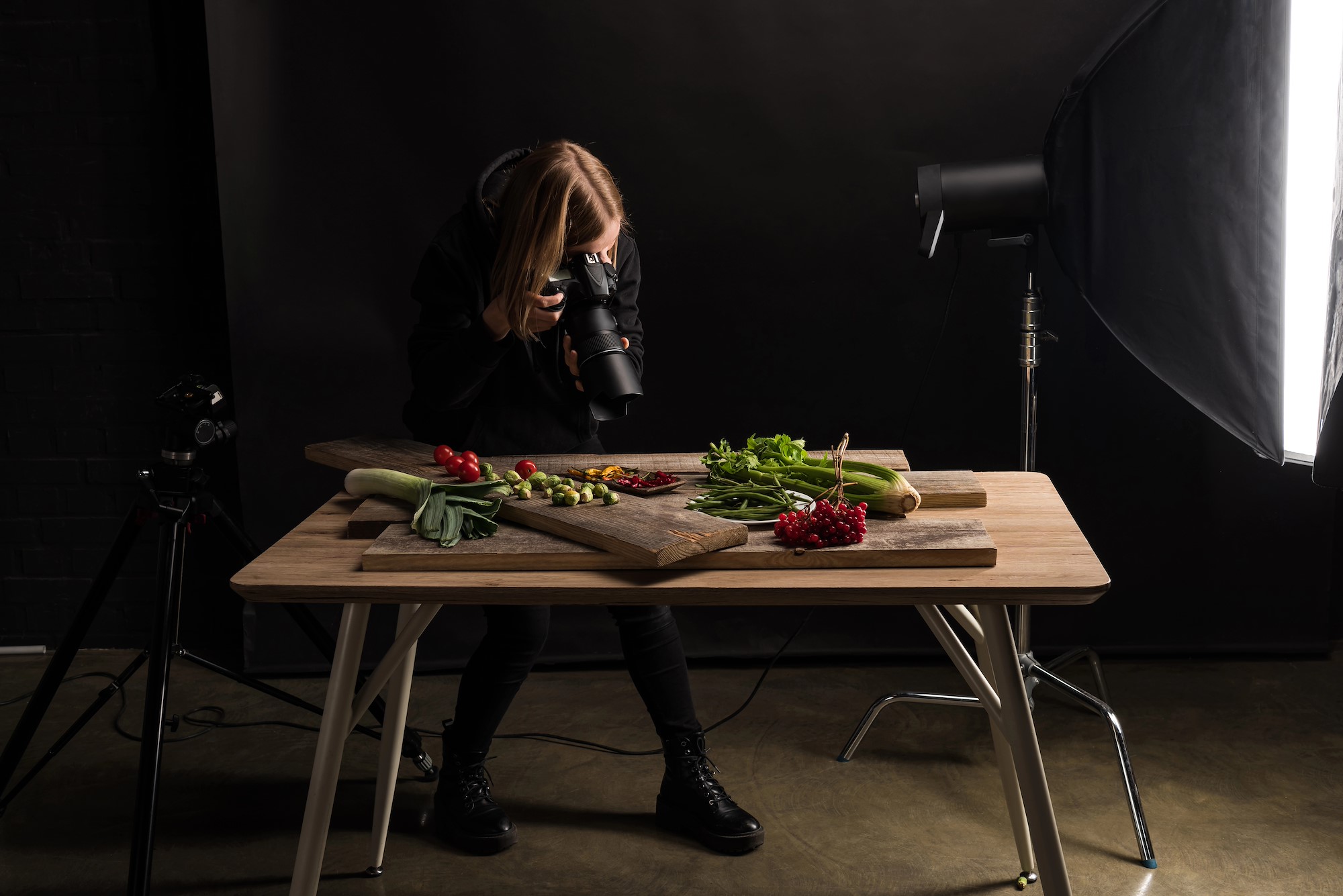
From chef-driven restaurants to meal delivery kits and local coffee shops, great visuals are crucial in the food and beverage industry. This type of photography may be highly styled (think cookbooks or magazine spreads) or candid (such as a barista creating latte art). It often overlaps with lifestyle photography and may involve collaboration with food stylists.
Lifestyle and Branding Photography
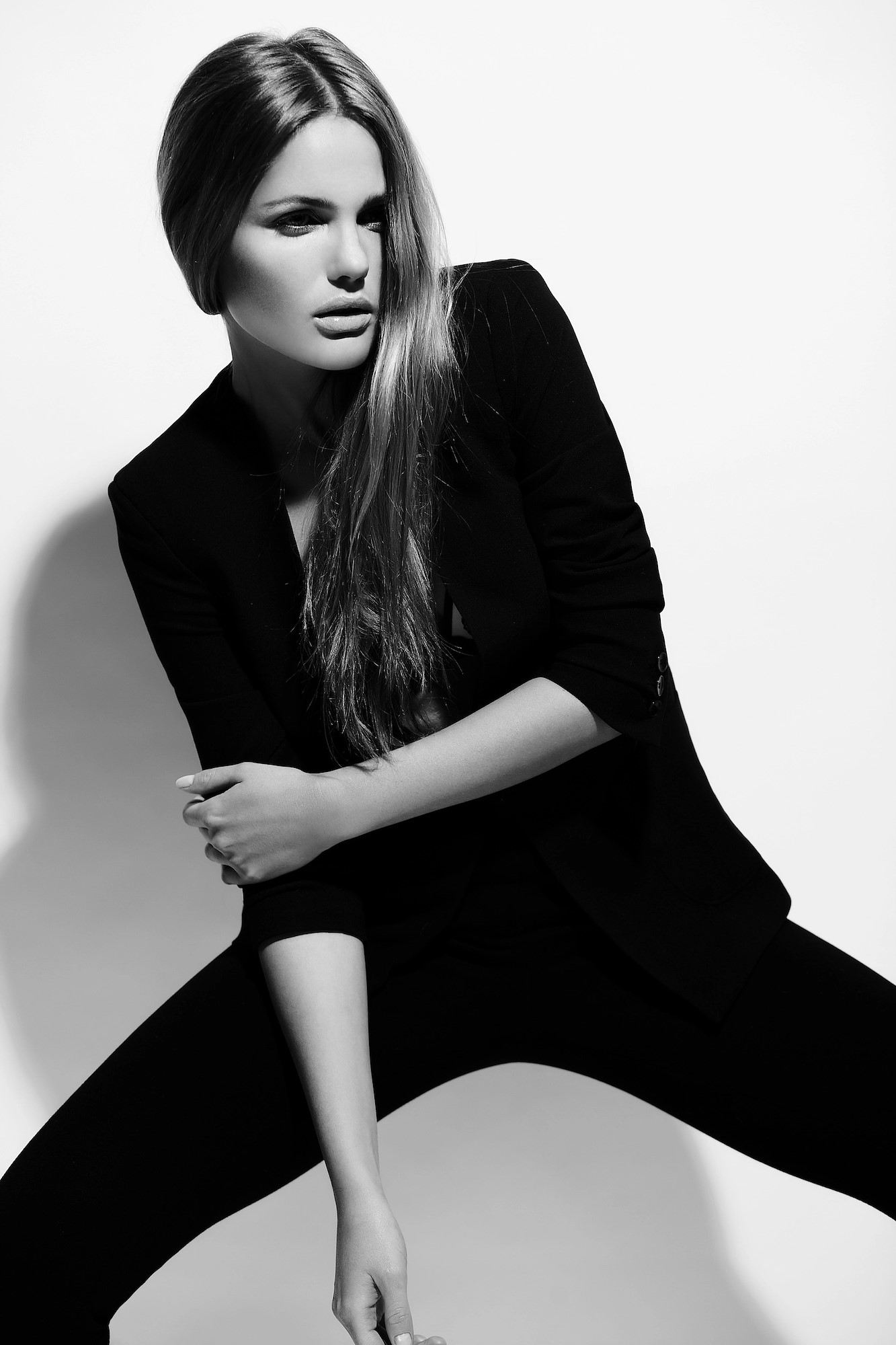
This is one of the fastest-growing areas, thanks to the rise of social media. Lifestyle shoots create visual content that shows a brand's product or service in real-life settings. These images are used on websites, social platforms, newsletters, and more. You might photograph a model using skincare, someone working out in branded fitness gear, or a family enjoying a meal with a specific product featured subtly.
Corporate Headshots and Office Culture
Those drawn to portrait photography may find that the corporate world is the perfect niche for them. This type of photography is more formal, specializing in headshots, team photos, and candid images of a traditional work environment. The work may also include photography conferences, events, or team bonding activities. Larger companies often offer recurring work in this field to keep their website and LinkedIn profiles consistently updated.
Real Estate and Interior Photography
This unique field is often overlooked in commercial photography, but high-quality images are essential for marketing properties like residential homes, luxury Airbnbs, rentals, and more. Real estate companies, realtors, interior designers, and property managers need photographers with technical precision and keen attention to detail to capture every corner of a property and present it in the best possible light.
E-commerce and Social Content
Beyond static product shots, many businesses need engaging, scroll-stopping content for Instagram, TikTok, Pinterest, and email campaigns. This niche is the fastest growing, as gigs are often recurring, require quick turnaround, and offer photographers the opportunity to partner closely with brands.
Is Commercial Photography Right for You?
If you're drawn to both the creative and the strategic side of photography, commercial work may be the perfect fit. Unlike portrait or event photography, commercial projects often involve collaboration with clients, teams, and even art directors. You're not just creating beautiful images; you're helping solve visual problems that impact business outcomes.
Here are a few traits that successful commercial photographers often share:
- You're Detail-Oriented: Commercial clients expect clean, consistent, and technically strong images. From perfect lighting to sharp focus to consistent angles across a product line, attention to detail is essential.
- You're a Good Communicator: You'll need to interpret briefs, collaborate with stylists or marketing teams, and translate a brand's identity into visual form. The ability to listen, ask detailed questions, and guide clients through your process builds trust and fosters long-term relationships.
- You Like Solving Problems: Every shoot is different. You might need to figure out how to light a reflective surface, style a set on a budget, or shoot a product in a tiny space. Flexibility and resourcefulness go a long way.
- You Think About the "Why": In commercial photography, it's not enough for a photo to be pretty. It has to serve a goal. Are you selling a product? Building a brand identity? Supporting a social campaign? Understanding the why behind every image helps you create photos that work and get hired again.
- You Enjoy Professional Relationships: Unlike one-off portrait clients, commercial clients often book repeatedly if they're happy.
If you enjoy nurturing professional partnerships and becoming a go-to creative for brands, this space is full of opportunity. If some or all of these traits sound like you, it might be time to give commercial photography a real shot. Next, we'll examine the gear you need to get started and identify which tools are worth investing in.
Gear & Tools You Need
Contrary to popular belief, you don't need a $10,000 setup to shoot commercial work. Many successful photographers started with just a solid DSLR or mirrorless camera and one or two versatile lenses. What matters more is consistency, creativity, and knowing how to maximize the potential of what you have. Food photographer Jessica Mynarski of Jalapeno Kitchen reminds beginner photographers to do their research as the most popular tools are not always the best fit for you. Remember, commercial photography is about results, not the aesthetics of your gear or setup.
Essential Camera Gear
- Camera Body: A full-frame DSLR or mirrorless camera is ideal, but crop-sensor cameras can still work well for many commercial shoots.
- Lenses: A good starting setup includes a fast prime lens (like a 50mm f/1.8) and a versatile zoom (like a 24–70mm). For product photography, a macro lens is a great addition.
- Tripod: Essential for product, food, or interior photography where stability and consistency matter.
- Lighting: Start with one or two soft boxes or strobes. Continuous LED lights are great for video and easy to learn. Natural light also works well with modifiers, such as reflectors and diffusers.
Editing & Tethering Tools
- Editing Software: Adobe Lightroom and Photoshop are industry standards. Capture One is another pro-option.
- Tethering Software: Programs like Capture One, Lightroom, or Tether Tools help you shoot directly into your computer and preview images in real time—super helpful when clients are on set.
Delivery & Workflow
- Client Galleries: Platforms like Lightfolio make it easy to deliver galleries, manage contracts, and get paid—all in one place.
- Backup Systems: Use external hard drives or cloud services (like Backblaze or Dropbox) to ensure you never lose client files.
Studio vs. On-Location
You don't need a full-blown studio to get started. Many commercial shoots can take place in homes, offices, rented studio spaces, or even outdoor locations. If you do want to build a home studio, a clean wall, table, and a few modifiers can go a long way.
Resources
Take advantage of all the resources at your disposal when you're first getting started. Product photographer Melissa Darr from Melt Creative advises, "be a sponge and learn as much as you can through lighting and editing courses, YouTube videos, and other photographers offering tips and tricks."
Setting Up Your Business
Before you dive into paid commercial work, it's essential to establish a solid business foundation. This protects you, ensures you're paid fairly, and signals professionalism to your clients.
Register Your Business
Start by registering your business as a sole proprietorship or LLC (depending on your local laws and how you plan to operate). This legitimizes your work and helps you open a business bank account, file taxes correctly, and access liability insurance.
Get Business Insurance
Even if you're starting out, insurance is a must. At a minimum, look into:
- General liability insurance (covers accidents on set or at client sites)
- Equipment insurance (covers damage, loss, or theft of your gear)
Contracts & Paperwork
Don't skip contracts, even with friends or your first clients. A solid commercial photography contract should cover the following:
- Timeline and deliverables
- Payment terms
- Usage rights (more on that in the next section)
- Cancellation/rescheduling policy
You can use platforms like Lightfolio to manage contracts digitally and get client signatures with ease.
Model & Property Releases
If you're photographing people or private locations for commercial use, you'll need signed releases. These forms give you and the client permission to use those images in promotional content.
Build a Commercial Portfolio
Start creating the kind of work you want to be hired for. If you don't have commercial clients yet, build your portfolio through:
- Passion projects
- Styled shoots
- Collaborations with small businesses or local brands
Even a small, focused portfolio of 8–12 strong images can open doors. Like many photographers, Darr from Melt Creative found that creating a professional portfolio helped secure new clients. Ensure your work is clean, consistent, and solves a visual problem, just as it would for a paying client. In the next section, we'll dive into how to price your commercial work and what you need to know about licensing and usage rights. Pricing and Licensing: How to Charge for Commercial Work One of the biggest mistakes new commercial photographers make is underpricing their work. Unlike portraits or weddings, you're not just charging for your time and skill; you're also licensing the usage of your images. And those usage rights can have tremendous value, particularly when utilized in advertisements or large-scale campaigns.


© Melissa Darr
Understanding Licensing
Licensing is the permission you give clients to use your images in specific ways. When you deliver a gallery, you're not handing over ownership of the photos—you're licensing the right to use them. Licensing terms usually include:
- Where the image can be used (website, social, print, ads, billboards, etc.)
- How long can it be used (3 months, 1 year, unlimited)
- Geography (local, national, global) You can create pricing tiers based on how the client plans to use the images.
For example, a photo used on Instagram may cost less than one used in a national magazine ad campaign.
Pricing Structure Options
When building out pricing, Reincastle from Bloom Creative reminds beginner photographers to "factor in pre-production, shoot time, editing, and licensing." You can structure your pricing in a few common ways:
- Day Rate + Licensing: A flat rate for your time, plus licensing fees per image or per usage type.
- Per Image: Pricing is based on final delivered images, often with licensing built in.
- Retainer or Package: Ideal for clients who require ongoing content every month.
You can include a bundle of images with limited usage rights. There's no universal standard, but pricing should always reflect the value your images provide to a business. Darr from Melt Creative says she "customizes depending on the photography project." This helps ensure you're being paid accordingly for each job. When in doubt, start higher than you think, as you'll most likely end up meeting in the middle. For example, let's say a local skincare brand wants 15 product photos for their website and Instagram. You might charge:
- $1,000 for the shoot (includes pre-production, styling, editing)
- +$500 licensing fee for 1 year of digital use
- Total: $1,500 for the project
If they later want to use one of those images in a print ad, you can charge an additional licensing fee.


© Peita Reincastle
Tools That Help
Platforms like BlinkBid or Pixsy can help you generate quotes and protect your rights. Lightfolio makes it simple to send quotes, collect payments, and deliver final images with usage terms built in.
Finding Clients & Booking Work
So, how do you find work and meet clients? While commercial photography isn't typically about mass marketing, it is about building relationships, establishing a reputation, and increasing visibility. Here are a few ways to help you land your first commercial clients:
Start Local
Your local business community is full of potential clients. Reach out to:
- Boutiques
- Coffee shops
- Fitness studios
- Restaurants
- Beauty or wellness brands
- Artists and makers
Offer a discounted shoot or collaboration in exchange for the right to use your portfolio. Many small businesses are eager for professional content but haven't budgeted for it yet—that's your in.
Pitch With Intention
Don't send a mass email blast. Instead, identify a few dream clients and pitch them directly. Your message should be concise, personalized, and centered on how you can help solve a problem for them.
Build Strategic Partnerships
Form connections with people who work closely with your ideal clients:
- Branding and web designers
- Social media managers
- Stylists or creative directors
- Marketing consultants
These individuals often need visual content to support their work, and they may refer you once they trust your style and professionalism. Use Instagram as Your Portfolio Instagram is a powerful platform for commercial work. Create a curated, clean feed that shows off your skills.
Use Stories and Highlights
To showcase behind-the-scenes shots, final results, testimonials, and tag brands you love, stories allow us to engage with them authentically. Mynarski of Jalapeno Kitchen recommends, “Finding a cadence that works for you and have the discipline to stick to it.” Posting consistently will not only serve as a secondary portfolio but also give you an upper hand in connecting with other photographers and brands.
Network at Industry Events
Attend local pop-ups, art fairs, or creative industry mixers to connect with like-minded individuals who share your interests and passions. You never know who you might meet. Bring business cards, or better yet, create a one-page mini portfolio with a QR code linking to your site.
Ask for Referrals
Your network wants to help, but they need to know how to do so. Inform people that you're offering commercial photography services and provide them with specific examples of the types of clients you're targeting. Remember, booking commercial work is often a slow build. One great client can lead to years of steady work through referrals and repeat business. Finally, keep in mind the importance of aligning with your clients. Reincastle from Bloom Creative advises that, "It's one thing to take a beautiful photo. It's another to create content that's aligned with a brand's goals, messaging, and ideal customer." While building a strong business and earning revenue is essential, it's also valuable to work with like-minded clients.
Delivering a Professional Client Experience
Your ability to deliver a smooth, professional experience is just as important as the quality of your images. It's so often why clients come back. Here's how to stand out and build long-term relationships.
Respond Promptly and Clearly
Timely, clear communication sets the tone. Respond to inquiries within 24–48 hours and walk clients through what to expect. Use email templates or Lightfolio's built-in communication tools to streamline your replies.
Ask the Right Questions
An intense creative brief is the backbone of every successful shoot. Before you book:
- Ask about the goal of the shoot
- Understand how the images will be used
- Clarify shot list priorities, brand colors, style, and model needs
- Review timeline and deliverables
Set Clear Expectations
Darr from Melt Creative says she has an onboarding meeting with each new client to talk through the project needs. A few things to discuss at the end of the meeting include:
- What's included in your pricing
- Turnaround time
- How many images will they receive
- When payment is due
Most importantly, remember to put everything in writing. It protects both parties and helps avoid miscommunication.
Provide a Seamless Shoot Day
Whether you're shooting on-site or in a studio, professionalism matters. Be on time. Dress appropriately. Bring backups. Be a calming, confident presence on set—even when things don't go perfectly.
Deliver On Time (or Early!)
Turnaround time is a big deal in the commercial world. Stick to your promised delivery window, and over-deliver when possible. Use Lightfolio to create beautiful, branded galleries that make a great impression.
Offer Ongoing Support
After delivery, check-in:
- Ask if they need resizing for web or print
- Offer additional licensing if usage expands
- Let them know you're available for future projects This helps you stay top-of-mind and keeps the door open for repeat work.
Next Steps
Commercial photography is an exciting and rewarding path that allows you to combine creativity with business savvy. While it may seem daunting at first, remember that every successful commercial photographer started where you are now. All you need is a camera, a willingness to learn, and the drive to build relationships. Key takeaways:
- Understand the purpose behind commercial photography: it's about serving a business's goals with compelling, strategic images that drive results.
- Explore various niches to discover what best suits your style and interests.
- Focus on delivering clean, consistent, and high-quality work — gear is just a tool.
- Build your business foundation with contracts, insurance, and transparent pricing.
- Find clients by nurturing local connections, pitching thoughtfully, and using platforms like Instagram and Lightfolio.
- Prioritize a professional and friendly client experience to earn repeat work and referrals.
If you take one thing away from this guide, it's that commercial photography is as much about relationships and problem-solving as it is about beautiful pictures. Reincastle from Bloom Creative says it best: "Stay curious, stay humble, and remember that beautiful work matters, but strategic work builds businesses." What is your next step? Start small. Reach out to a local business you admire, offer a styled shoot or mini project, and use that work to build your portfolio. Over time, you'll gain confidence, clients, and a steady income doing what you love. Ready to get started? Check out Lightfolio's tools to showcase your work, manage clients, and simplify your business — so you can focus on making amazing images and growing your creative career.