What Is Portrait Photography?
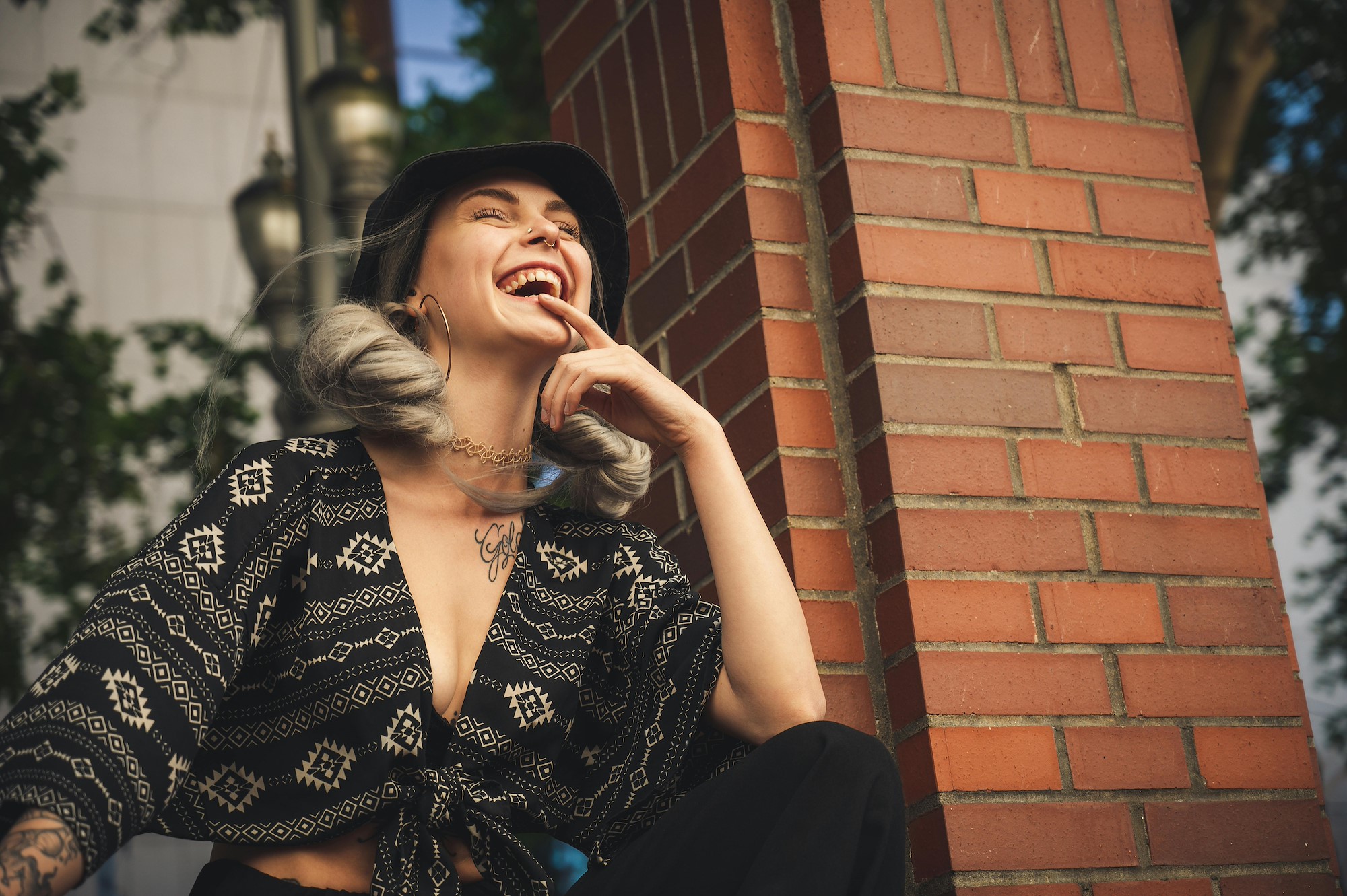
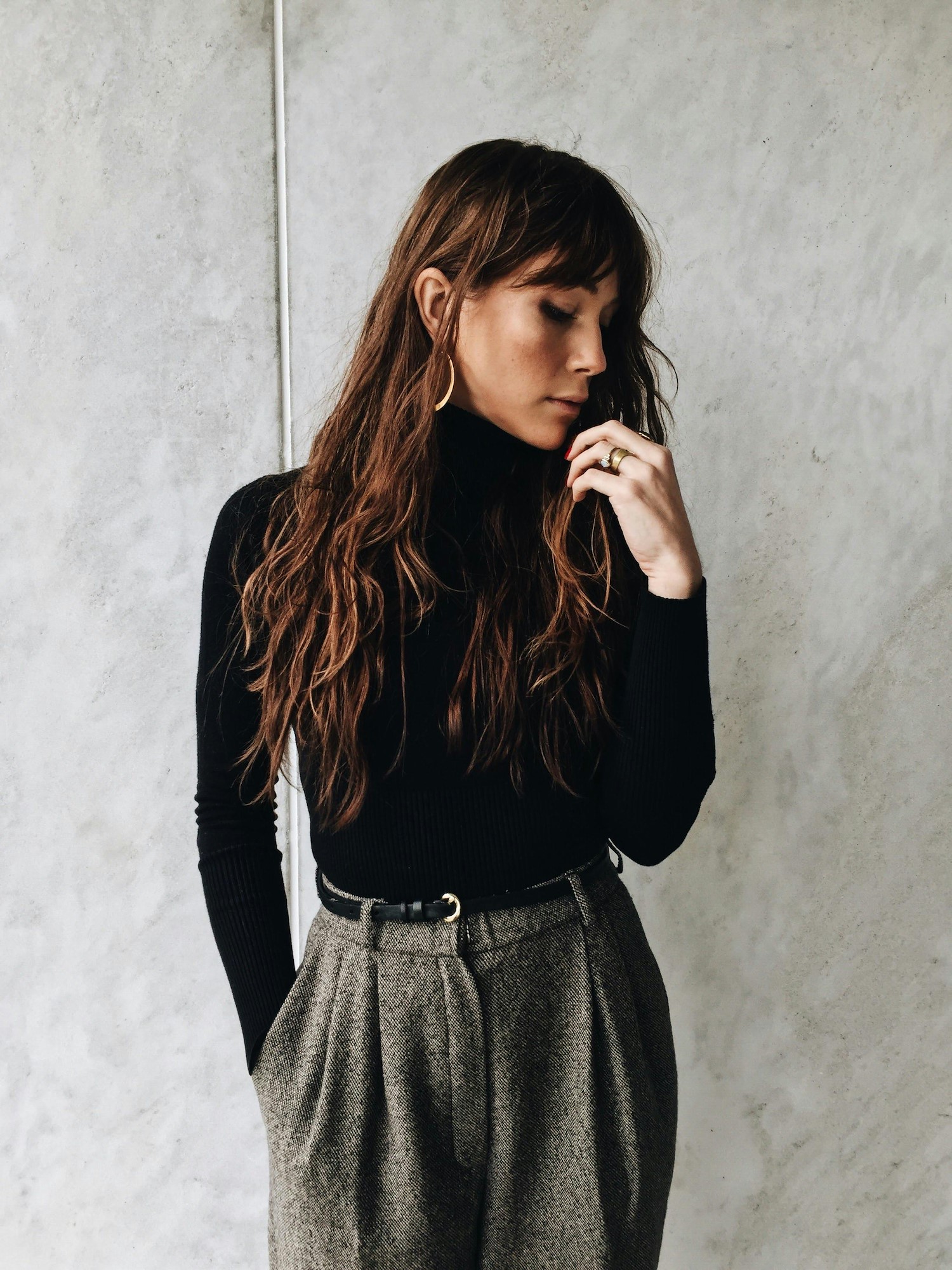
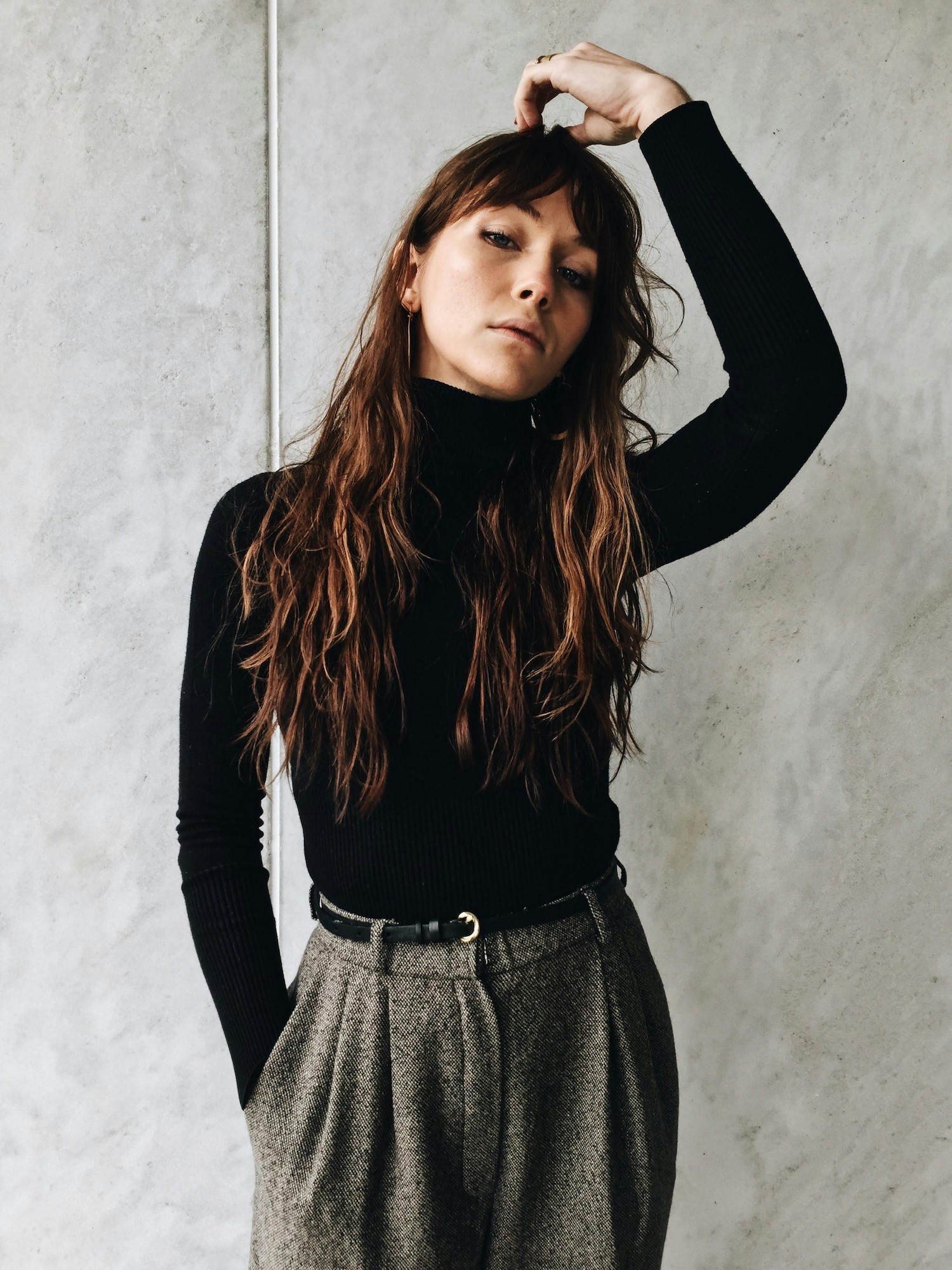
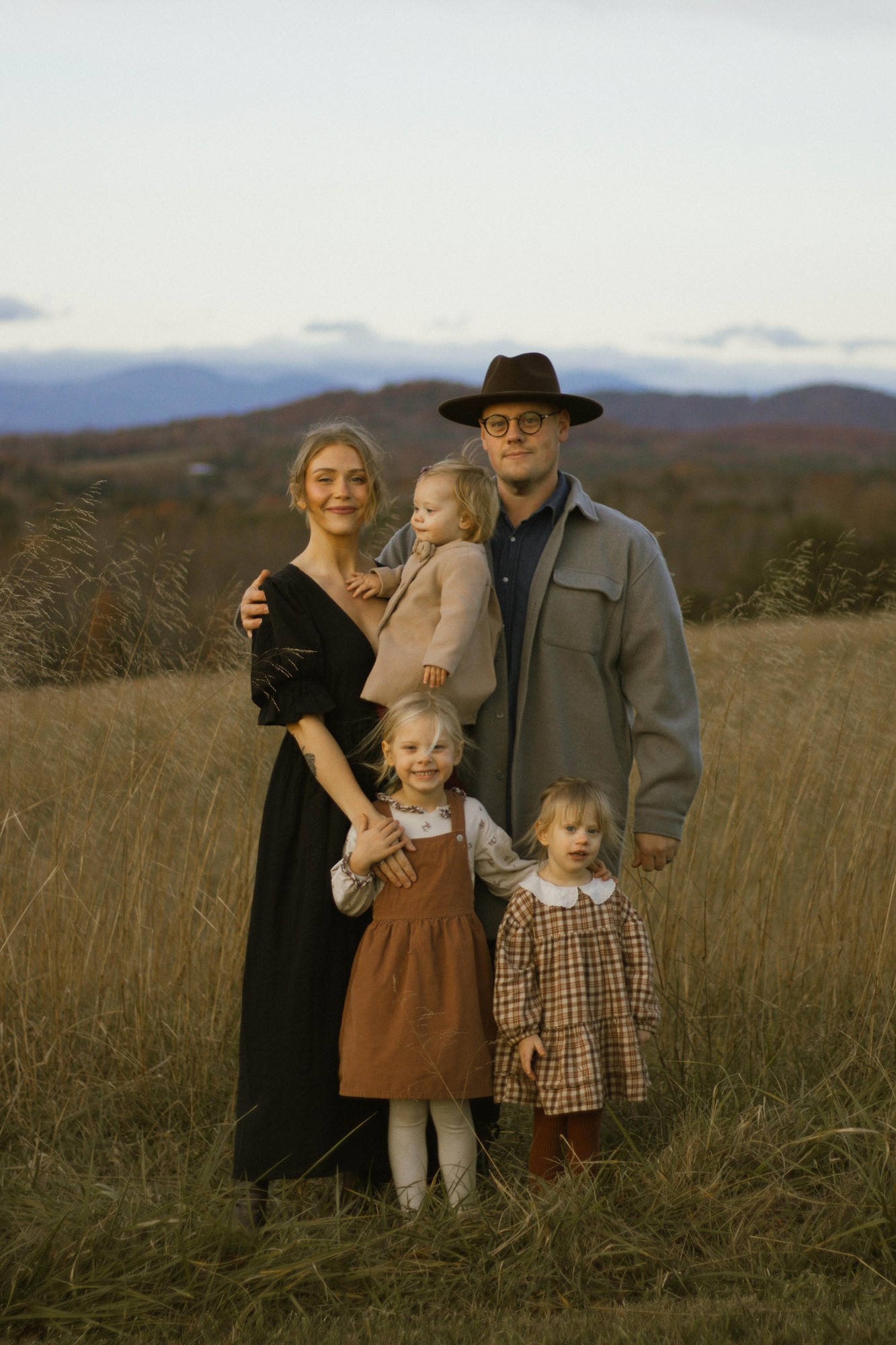
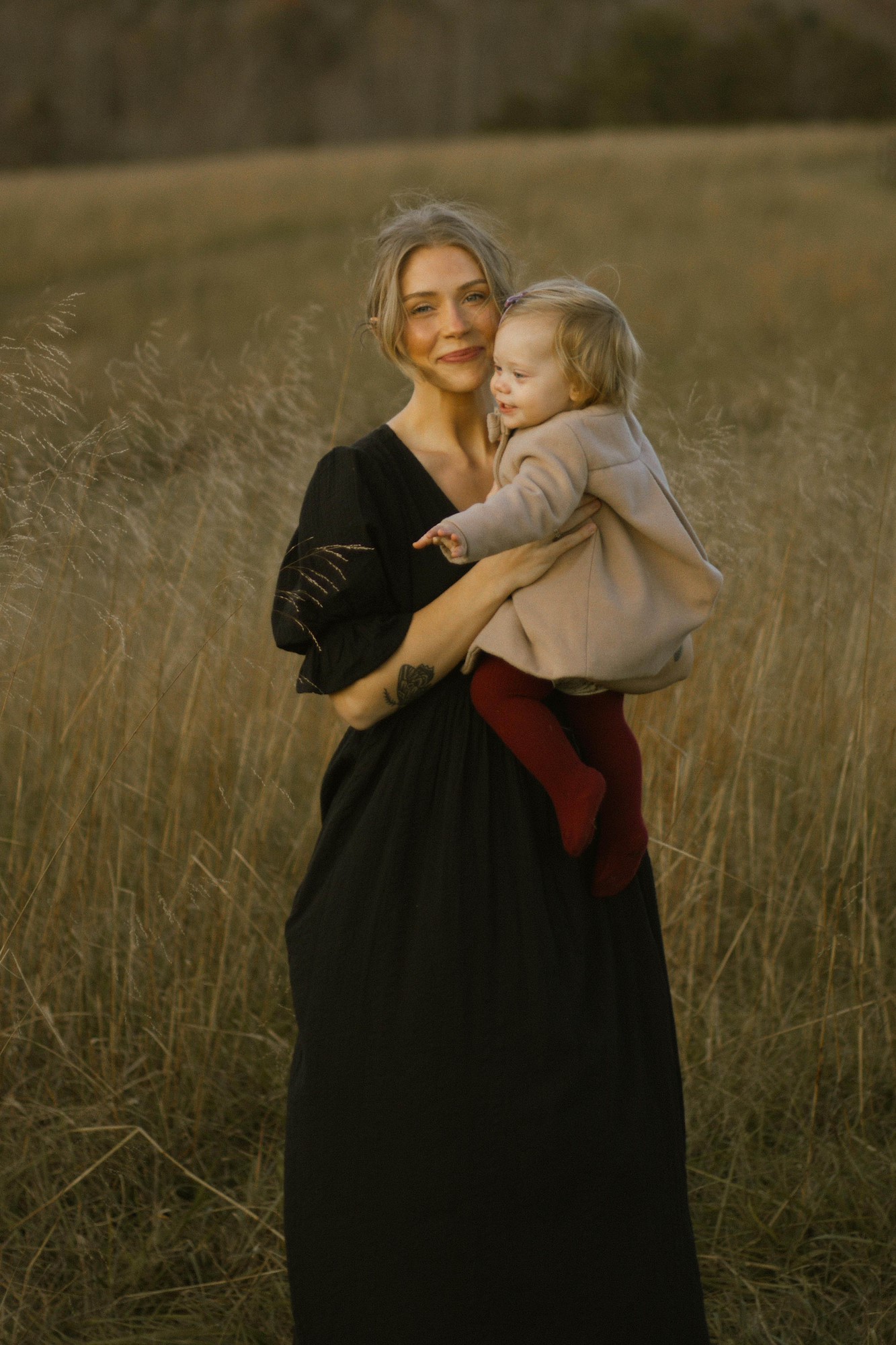
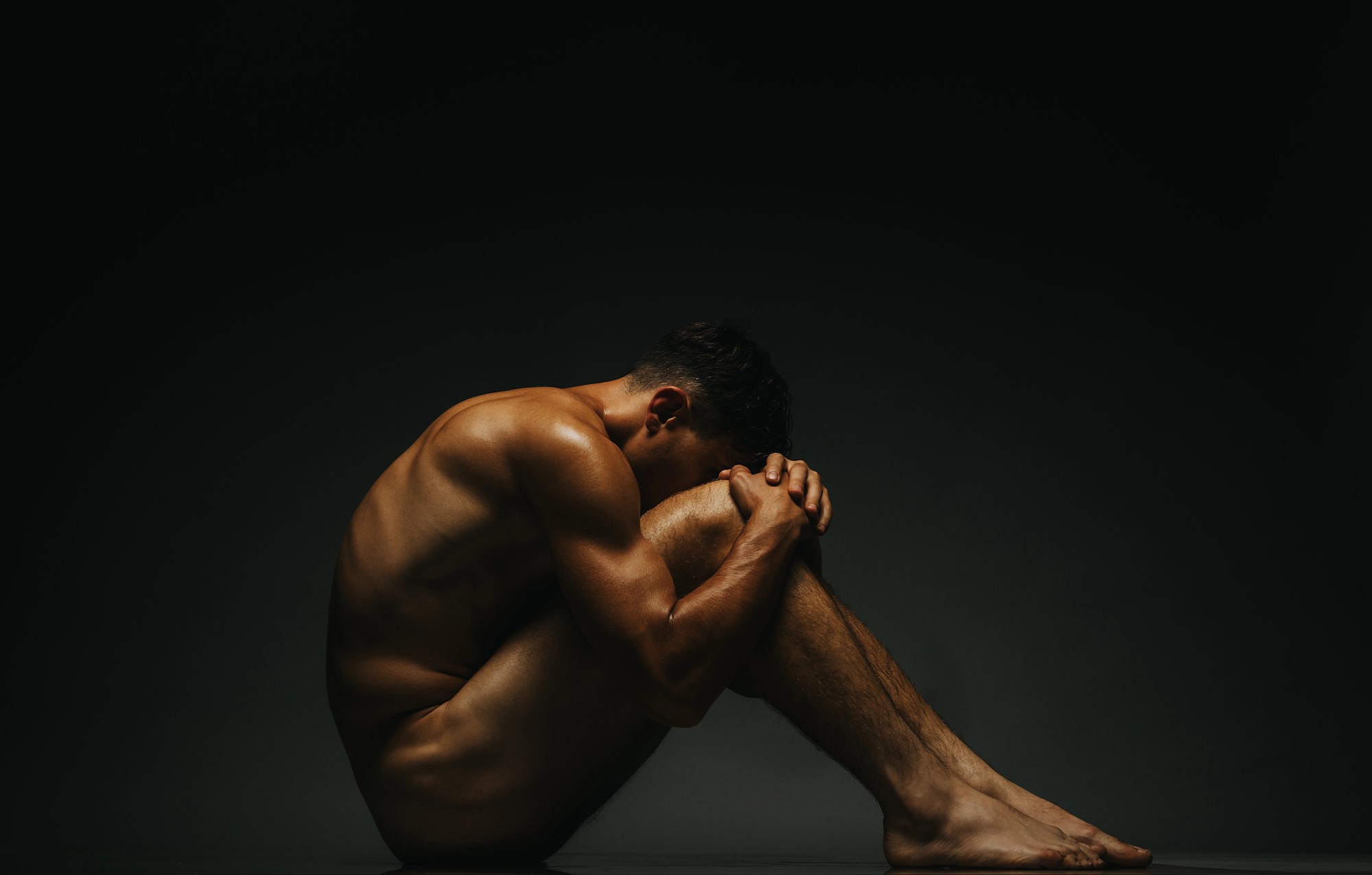
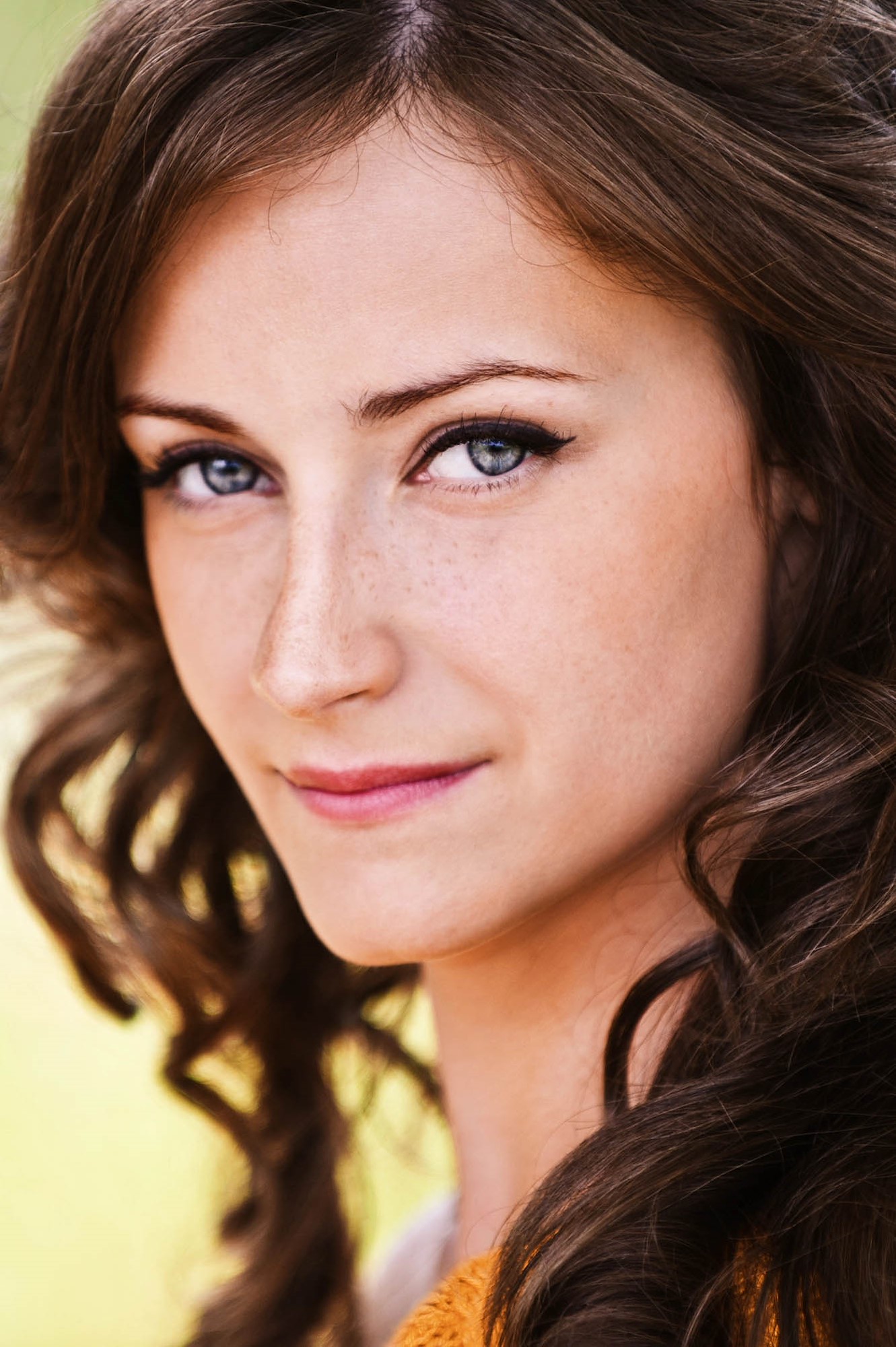
Portrait photography centers on people, using light, composition, and timing to reveal who they are. Each image tells a story through gaze, gesture, and atmosphere, offering a glimpse into the subject’s character. You’re not just photographing a face, you’re capturing a life in a single frame.
Introduction
There's a unique aspect to portrait photography that sets it apart from other fields of photography. Portraiture offers the chance to capture the essence of a person through visual storytelling. Unlike commercial or sports photography, which focus on products or action shots, portrait photography captures character and identity within a single frame. Since the mid-1800s, people have immortalized themselves through portraits. From haunting black-and-white stills to today’s framed school photos, editorial spreads, and candid snapshots on social media, portraiture acts as a time capsule. It freezes a singular moment in history and shows who we are, how we see ourselves, and how we want to be seen.In this article, we’ll explore the history, gear, lighting, composition, editing, styles, and business of portrait photography. Along the way, you’ll hear insights from working photographers who share their advice and experiences behind the lens.
History and Evolution of Portrait Photography
Portraiture began with painting, where royalty and the wealthy commissioned likenesses as symbols of status. The invention of photography in the 19th century transformed this tradition. Daguerreotypes offered realism but required long exposures and props to maintain posture. By the mid-1800s, portrait studios were common, and photography became accessible to more than just elites. In the 20th century, faster film and portable cameras brought portraits out of studios. Photographers like Dorothea Lange and Richard Avedon reshaped the genre with authenticity and emotion, from Lange’s Migrant Mother to Avedon’s stark white-background portraits. Today, digital cameras, editing software, smartphones, and social platforms have democratized portraiture, blending traditional craft with contemporary aesthetics.
The Purpose and Power of Portraits
At its simplest, a portrait preserves memory—the smile of a loved one, a child’s milestones, or a stage of life. These images become keepsakes, passed through generations. They also shape identity, from professional headshots that open doors to creative portraits that define how someone is seen. Portraits connect us to history and to one another. Victorian formality, 1970s Polaroids, or today’s Instagram selfies all reflect their eras. But the best portraits go beyond appearance: they reveal mood, story, and soul, offering a glimpse into what makes someone unique.
Do's and Don'ts of Gear
Now for the technical side of portrait photography. Whether you're a beginner photographer or switching over into the field of portrait photography, it can be intimidating to know what gear you do and don't need. Kristen Hazelton admits, "It's tempting to buy a variety of lenses when you start, but the basics will get you through. You can use literally any camera and lens as long as it's reliable and you know it inside and out." Investing in and mastering your equipment will provide you with a foundation that will allow you to grow into new and more advanced gear down the road. Discover a few of the best cameras and lenses to get you started.
Cameras
- DSLR and Mirrorless Cameras: Both are standard in professional portrait work, offering high resolution, interchangeable lenses, and excellent control over exposure.
- Medium Format Cameras: Beloved for their incredible detail, these cameras are best for high-end fashion and fine art portraits.
- Smartphones: If you're starting or interested in casual portraits, this option is a great first step. Although it's limited compared to a professional setup, the new smartphones allow you to test the waters without diving into expensive gear.
Lenses
- 50mm (the "nifty fifty"): Offers a natural perspective close to the human eye.
- 85mm: Widely considered the classic portrait lens, flattering facial proportions with pleasing compression.
- 70–200mm zoom: Provides flexibility for both close-ups and full-body portraits, while delivering beautiful background blur.
- 35mm: Ideal for capturing environmental portraits that showcase the surroundings.
Lighting Gear
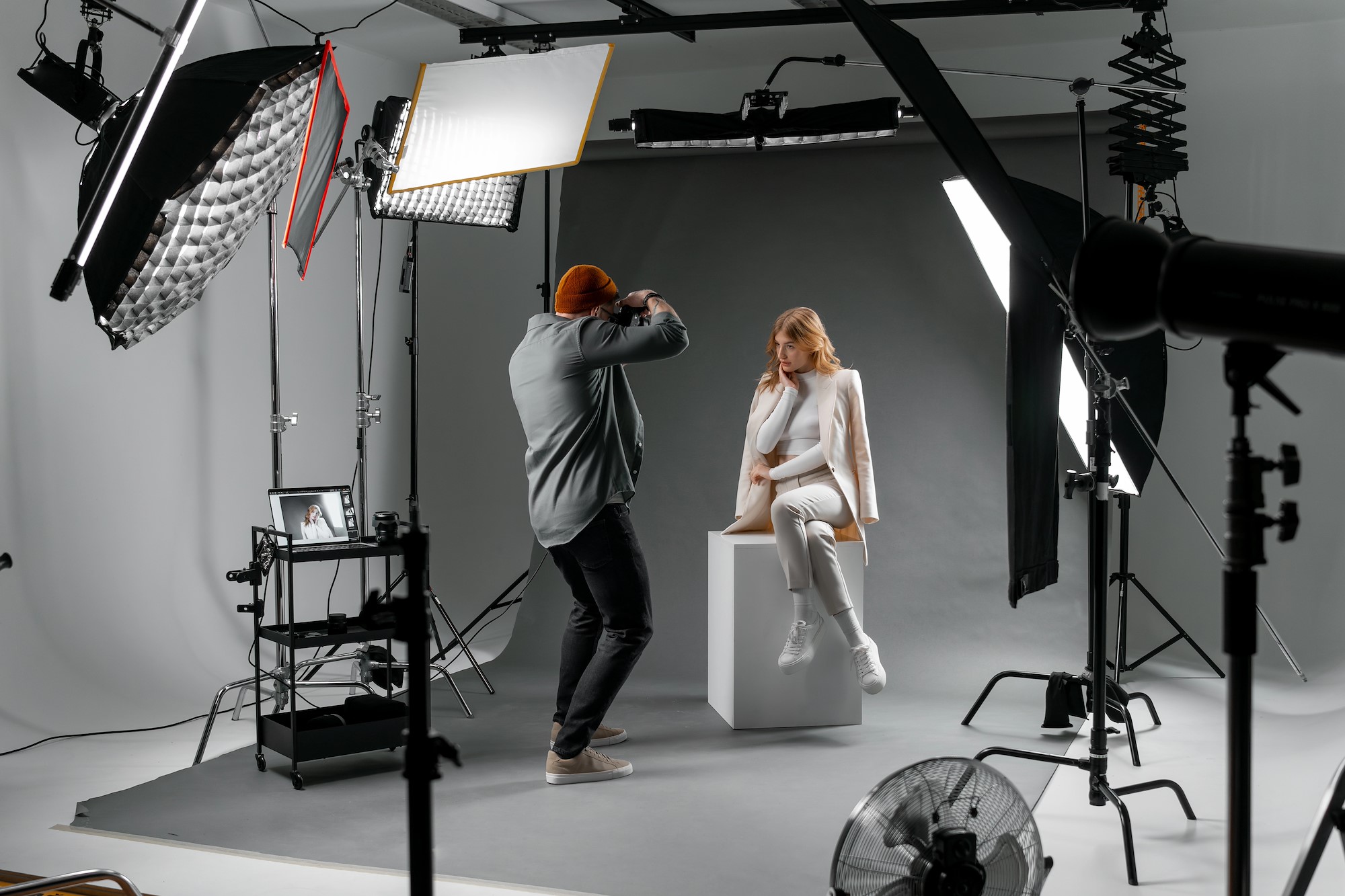
Lighting equipment is one of the most critical investments for portrait photographers. While natural light alone can create beautiful images, artificial lighting offers consistency, control, and creative possibilities. Some photographers, like Annie Leibovitz, are known for elaborate multi-light setups that give their work a dramatic, cinematic quality. Others, like Diane Arbus, preferred the simplicity of natural light to capture raw authenticity. Both approaches show how different tools can shape a photographer’s style.
- Strobes and Speedlights: Provide power and control in studio and on-location setups. They freeze motion, allow consistent exposures, and help photographers sculpt dramatic effects. Annie Leibovitz, for example, is known for elaborate multi-light setups that create cinematic portraits.
- Softboxes and Umbrellas: Soften and diffuse light for flattering skin tones. They mimic natural window light, creating gentle transitions between highlights and shadows.
- Reflectors: Simple, inexpensive tools to bounce light and fill shadows. They’re staples for natural-light photographers who prefer not to carry heavy gear.
Other Essentials
There are a few other simple but powerful tools that can elevate a portrait session and shape a photographer’s style.
- Backdrops: From seamless paper rolls to textured fabrics. Richard Avedon built an entire career using little more than a plain white background, proving that minimal setups can produce iconic work.
- Props: Can add storytelling elements to a portrait. Even a small item like a chair, a book, or flowers can add personality and context, turning a standard image into something memorable.
- Tripods: Provide consistency in studio setups. They’re especially helpful for portraits that require precision, like layered composites or when working with longer exposures.
The right gear depends on the photographer's style, but understanding these basics provides a strong foundation on which to grow.
Mastering Lighting Techniques
Lighting is the most critical element in portrait photography. Light shapes mood, defines features, and adds dimension.
Natural Light
- Golden Hour: The warm, soft light around sunrise and sunset flatters skin tones and creates dramatic effects.
- Open Shade: Provides even, diffuse light, handy for midday shoots.
- Window Light: A classic studio substitute, creating soft, directional illumination.
Artificial Light
- Rembrandt Lighting: Named after the painter, it creates a triangle of light on one cheek for dramatic yet flattering depth.
- Butterfly Lighting: A light placed above and in front of the subject creates a butterfly-shaped shadow under the nose—popular in beauty portraits.
- Split Lighting: Illuminates half the face, leaving the other in shadow for a striking, dramatic effect.
- Loop Lighting: A small shadow of the nose loops down onto the cheek, balancing light and shadow for a natural look.
Modifiers and Enhancements
- Softboxes for smooth light.
- Grids to focus beams and prevent spill.
- Reflectors and diffusers for fine adjustments.
Creative Lighting
Modern portrait photographers’ experiment with colored gels, LED lights, or chiaroscuro-inspired setups to craft unique moods. The key is intentionality: every lighting choice should serve the story of the portrait. Kristen Hazelton says, “The more I photograph, the more I'm beginning to flirt with different kinds of lighting besides your standard golden hour backlit. It's been so fun and creatively fulfilling to 'break' the mold of golden hour backlit and give different lighting a try!" It’s important to keep expanding your skillset as you grow and incorporate new techniques.
Posing and Directing Subjects
The right tools help bring the artistry and connection of portraiture to life, but being skilled and knowledgeable is the beating heart behind portrait photography. A great portrait is about connection and emotion. Many people feel nervous in front of a camera, and it's the photographer's job to help put them at ease.
Schedule a Pre-Shoot Meeting
If you're working with someone who is anxious from the start of booking, it's best to set a foundation before the shoot. Kristen Hazelton suggests, "When meeting with potential clients during their discovery Zoom calls or in-person meeting, I reiterate what they can expect in the lead up, during, and after their photoshoot, which further builds that trust and helps relieve anxiety." Scheduling a meeting before the session helps create a connection rather than meeting for the first time at the shoot.
- Set up a call over Zoom or in person.
- Get to know the client and their goal.
- Provide a mood board, if necessary.
Hazelton continues, "I spend a significant amount of time prepping my clients for success before their photoshoot- location scouting and sharing suggested backdrops during Zoom planning sessions, wardrobe planning sessions, and questionnaires to really get at the heart of the vibe they're going for." These simple tips can change the energy of a shoot, helping it flow more smoothly and bring out more authentic emotions to the surface.Hazelton also says she, "Pay close attention to my clients during their consults so I can understand their photoshoot vision and answer their questions. I'm also paying attention to their personality and mannerisms- are they extroverted or introverted? - so I can suggest locations and posts during the photoshoots that will match their energy. No photoshoots in busy urban areas for introverts, and more exciting, high-energy poses, clothes, and locations for extroverts."
Energy Matters
The energy you bring to the set will influence how comfortable the environment is. As Mallory Kessel of Mallory Kessel Photo says, "Your energy matters as much, if not more, than your work. People will remember how you made them feel during a session more than anything else. Show up prepared, over-communicate, and be someone people want to be around. That kind of professionalism and warmth goes a long way, especially in a referral-based business." So, how do you do that?
- Begin with casual conversation.
- Show subjects a few early shots to build confidence.
- Encourage natural movements rather than rigid posing.
- Turn on the music!
Kristen Hazelton notes, "I want to anticipate any questions the client might have about how the photoshoot works and tell them that information ahead of time. This is a key factor in making my clients comfortable - showing them they can trust my technical expertise as a photographer and that I am a safe person to be vulnerable with. Because that trust is what allows the client to bloom in front of the camera."


© Kristen Hazelton
Body Positioning
Everyone is familiar with that feeling of getting in front of a camera and having no idea how to pose, where to stand, or what to do. Michelle Kaffko of Organic Headshots acknowledges, "No one likes having their photo taken and even the most confident people are usually at least a little nervous, so accepting that and honoring that is a necessary first step." It's a photographer's job to pose the clients in a way that feels meaningful and purposeful, but more importantly, comfortable. Kristen Hazelton seconds this notion and says, "I'll often start with some poses that are easy to build confidence, and I'll show clients the back of the camera so they can see that even without filters or editing, they're looking great. Once they start relaxing and having fun, we'll move into the more challenging and advanced poses. It's a lot easier to ask a client for 10 seconds of bravery for a weird pose after they're in the swing of things!" When it comes to the basics of posing, here are a few tips:
- Angling the body slightly away from the camera often flatters form.
- Shifting weight onto one leg creates a more relaxed posture.
- Hands can be positioned by holding an object, lightly touching the face, or resting at the side.

© Michelle Kaffko
Facial Expressions
- A genuine smile lights up the eyes.
- Encourage subjects to think of a memory or emotion to bring authenticity.
- Micro-expressions often tell the story more than broad gestures.
Individuals vs. Groups
It's often easier to direct one subject than groups. Posing couples, families, or teams comes with more attention to detail. It's essential to be aware of symmetry, hierarchy, and connections between people, as that will translate into a final image. From individuals to groups, the most demanding client is young children. Bridget Matkovich says, "Working with kids has taught me that the secret to genuine smiles is simply connection. Kids are naturally curious and easily drawn in by a little fun, so if I can 'hook them' with a conversation or a silly distraction, the rest flows." I've got plenty of tricks up my sleeve, but I almost always start with that one-on-one moment where they realize we're just having fun together. Before they know it, the session is over, I've captured all the photos I need- and they walk away feeling like it was just playtime. Total win-win!" Funny enough, oftentimes the same attitude and tricks apply for individual and group photos. The goal is to make them feel comfortable, so much so that the time seems to fly by. A sign of a good session is when the client, or clients, leave feeling relaxed.
Candid vs. Posed
While traditional portraits often involve deliberate posing, candid portraits capture spontaneity and natural emotion. While posed photos are usually easier to capture, a good photographer will always be on the lookout for a great candid shot. A great candid shot should look relaxed, light, and embody the emotion of the moment. But how do you get a client comfortable enough to secure a candid shot? Michelle Kaffko's advice is to "Connect with them on a level outside of the photographer-client relationship so you both understand that you're two humans with a shared goal working together during the photoshoot. Then work to figure out why they're nervous and address it as best you can. It almost always comes down to having some particular concern about how the photo will come out, so find a way to lower the stakes a little for them, and give them the reassurance that you care as much or even more about the outcome than they do, so they can know you're on their team." Oftentimes, once clients stop worrying about the outcome, they're able to relax enough for candid shots to happen. And more often than not, those candid shots are the best ones of the day.
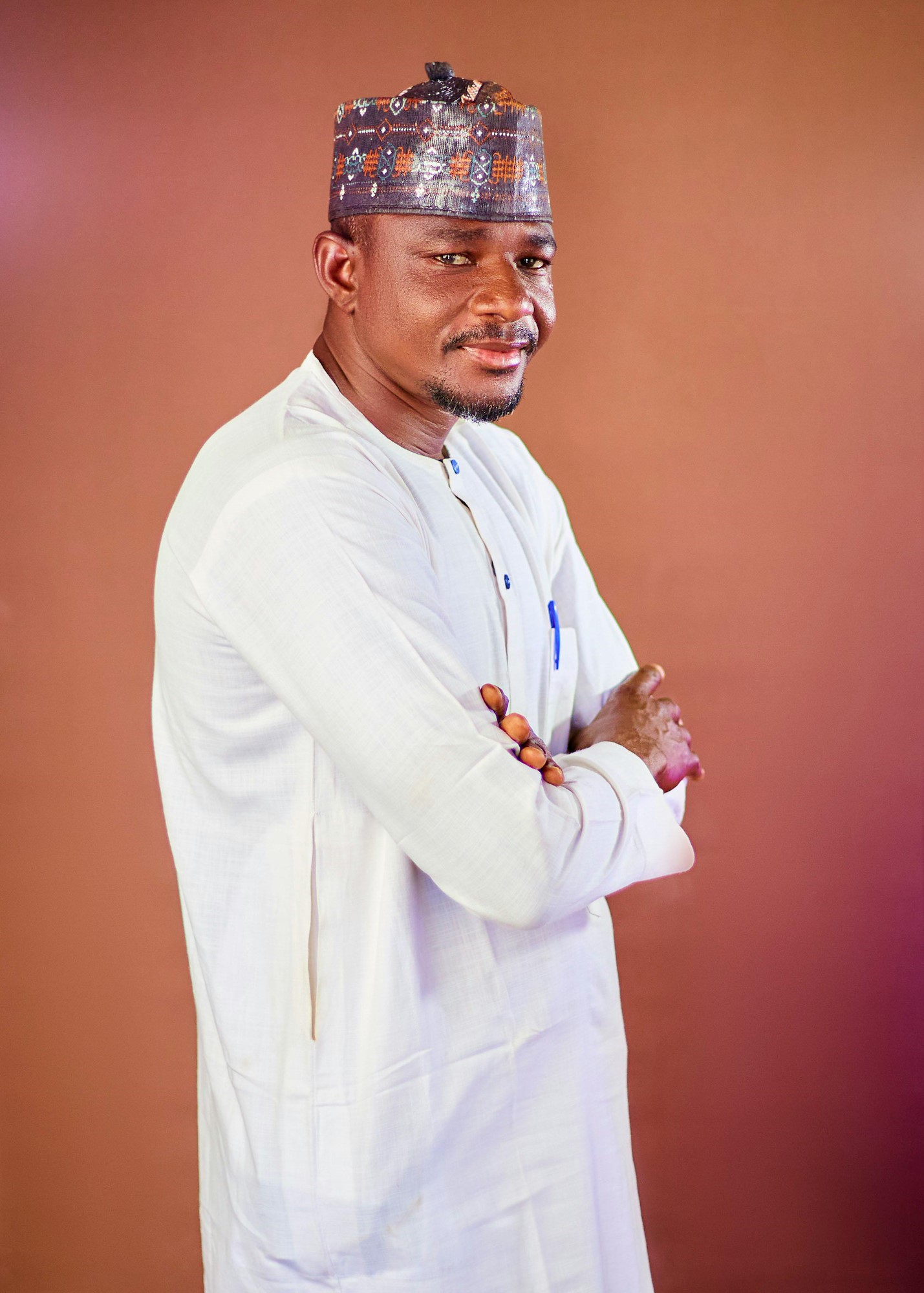
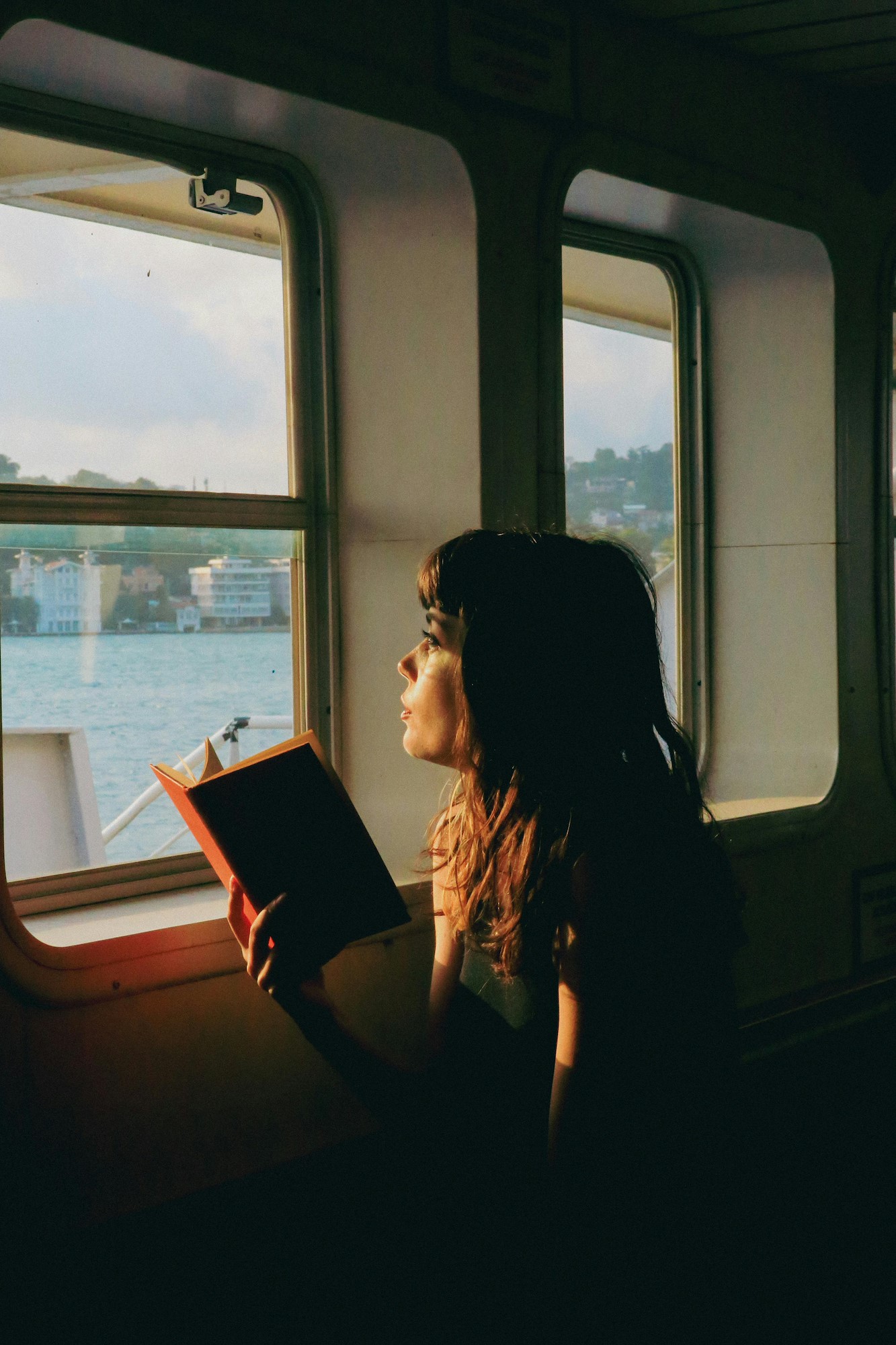
Composition, Styling & Backgrounds
A strong composition transforms a portrait from ordinary to extraordinary. Mallory Kessel emphasizes the importance of styling and says, "What sets me apart is the combination of emotional authenticity and visual storytelling. My work blends a documentary feel with thoughtful composition and styling."
Compositional Tools
- Rule of Thirds: Positioning the subject off-center adds balance and pulls the eyes towards the interest point.
- Leading Lines: Elements like roads, staircases, or architecture guide the viewer's eye through lines.
- Negative Space: Empty areas emphasize the subject and prevent the image from feeling "overly crowded".
Depth of Field
Portrait photographers often use wide apertures (f/1.4–f/2.8) to create shallow depth of field, isolating the subject with beautiful background blur, known as bokeh.
Locations and Backgrounds
- Studio: Offers controlled lighting, clean backdrops, and access to a variety of props.
- Environmental: Tells a story by incorporating the subject's surroundings, such as an artist in their studio, an athlete on the field, or a family in their backyard.
- Urban or Natural: Each adds its own texture and narrative to the story.
Foreground Elements
Placing objects like flowers, windows, or light flares in the foreground can add layers of depth and intrigue.
Editing and Post-Processing Portraits
Modern portrait photography is rarely finished in-camera. Post-processing refines the image while maintaining authenticity. To summarize, Mariya Byelikova says, "Post-processing includes careful selection of the best images, color correction, retouching to enhance natural beauty without over-editing, and preparing images in high resolution for web and print. The goal is to maintain authenticity while elevating the final look."
Basic Adjustments
- Exposure, contrast, white balance, and color correction. White balance is what keeps skin tones natural, avoiding an orange or blue tint when shooting in different light sources. Color correction evens out tones across the entire image, making portraits look consistent whether shot in daylight, shade, or mixed indoor lighting.
- Cropping to improve composition. Cropping allows you to refine the frame after the photo is taken. You can remove distractions near the edges, straighten horizons, or re-center the subject for stronger balance. It’s also helpful in adjusting portraits to different formats, such as vertical crop for a headshot or a square crop for social media, without needing to reshoot.
Skin Retouching
- Removing blemishes, stray hairs, or any environmental flaws.
- Smoothing skin while preserving natural texture (often asked for in family portraits or school pictures).
- Frequency separation techniques for advanced editing.
Enhancing Features
- Dodging and burning to sculpt light on the face.
- Sharpening eyes for impact.
- Subtle color grading to evoke mood.
Background Adjustments
Changing the lighting, cleaning up any distractions, blurring, or replacing backgrounds entirely.
Software
Adobe Lightroom, Photoshop, and Capture One dominate the field, though many photographers also experiment with AI-powered tools. Lightroom is especially popular for its presets, which are saved sets of edits that apply a consistent look across an entire shoot. Many portrait photographers create or purchase preset packs to speed up workflow and deliver a signature style. Photoshop is typically used for detailed skin retouching, background cleanup, and composites, while Capture One is praised for its advanced color grading and tethered shooting in studio setups.
Ethical Considerations
There's an ongoing debate about over-editing, as it can distort reality. It's best to err on the side of responsible retouching, which respects the subject's authentic appearance.
Styles and Specializations in Portrait Photography
Portraiture encompasses countless subgenres, each with its own creative and professional approach.
- Traditional Studio Portraits: Classic, controlled, and timeless. It is often used for formal occasions or professional needs.
- Environmental Portraits: Subjects are photographed in their natural setting—an office, workshop, or home—offering context and narrative.
- Lifestyle Portraits: Casual, candid-feeling portraits that highlight people in everyday moments. Popular for family, engagement, and branding sessions.
- Candid Portraits and Street Photography: Unposed moments that reveal personality or story. Street portraits often capture strangers in public, emphasizing authenticity and spontaneity.
- Corporate and Branding Headshots: Focused on professionalism and approachability, used for resumes, websites, and LinkedIn.
- Fine Art Portraiture: Highly conceptual, often blending portraiture with surreal or painterly aesthetics. Intended more for gallery display than commercial use.
- Creative and Experimental Portraits: Using unusual lighting, props, digital manipulation, or fashion styling to push boundaries.
Each style requires different skills and equipment, but they all circle back to the same core: telling the story of a person through an image. Reflecting on her early career, Kristen Hazelton says, "For my first few years of business, when my clients inquired, I said yes to any type of photography they were after. Now, this isn't necessarily bad—how else would you determine if you like headshots of pet photography if you didn't give it a try? But I kept saying yes for years too long instead of setting boundaries and preserving my energy for the genres I really love—seniors, graduates, and family photography. I feel I could have grown my business to be stronger and more sustainable if I had niched down earlier in my career." As she says, saying yes to everything wasn't necessarily a bad thing, but committing once she had found her passion prolonged her growth. It's essential to be open to opportunities when you're first starting, but it's also necessary to find your passion within the field and follow it.
The Business of Portrait Photography
For many photographers, portraiture isn't just art, it's a livelihood. While being prepared is essential, as Mallory Kessel says, "Start messy and keep shooting." She advises, "Don't wait until your portfolio is perfect or you have all the right gear. Use what you have and figure it out as you go."
Start a Business
If you're serious about pursuing a career in portrait photography, you'll need a few key elements, including a website and, sometimes, social media. While Kristen Hazelton admits she doesn't market through social media, she does say, "That the new algorithm updates to drop hashtags and lean more heavily on SEO keywords have worked in my favor. By making sure I'm naturally including keywords in my captions, I'm achieving more visibility than ever before."
More important than social media, though, is establishing a business, whether that's an LLC or sole proprietorship. Mallory Kessel emphasizes the importance of learning the business side. She says, "You can be the most talented photographer in the world, but if you don't understand pricing, boundaries, contracts, or marketing, you'll burn out fast. There's no shame in asking for help or investing in education. The best thing I did for my business was hiring a business coach." Hiring a business coach, accountant, bookkeeper, or website developer is a simple but effective way to ensure you're getting started on the right foot.
Creating a Portfolio
Building a gallery to showcase to potential clients is the first step to building a successful portrait photography business. Typically, a portfolio comes from sample shots instead of paid shoots. Despite the little to no pay, the opportunity to build out your portfolio and test techniques is a crucial experience in the stepping stone of creating a thriving business.
Building a Client Base
The biggest question: how do you find clients? Nowadays, with countless ways to find new clients, it can seem daunting. Mariya Byelikova of Artbelka Photography simplifies it, "Consistency, professionalism, and word-of-mouth referrals have been essential." These straightforward, yet practical tools will serve you well in the long run.
- Word of mouth remains powerful.
- Social media platforms like Instagram and TikTok are essential for visibility.
- SEO and websites help clients discover local portrait photographers.
Pricing Models
Photography is a unique field where there is no set pricing. Instead, there are different ways to price your work.
- Session Fees: A flat rate for time and talent.
- Packages: Bundles that include digital files, prints, or albums.
- Licensing: Charging businesses for the right to use portraits commercially.
Mariya Byelikova says, "My pricing is based on the value and experience I provide- considering the time spent shooting, artistic vision, post-processing, and delivering a seamless client experience. I offer clear packages but remain flexible to tailor offerings that fit client needs and goals." This mindset provides her with a set base without restricting her to fixed numbers. Many photographers follow this method so they can adjust their pricing per project and be paid accordingly.
Contracts and Rights
Clear agreements protect both photographer and client. Contracts should cover payment terms, delivery timelines, and usage rights.
Marketing
When you own a photography business, you wear a lot of hats, as Michelle Kaffko says—and marketing is only one of them. It's your job to not only market your business for it to grow, but market it in a way that's sustainable and authentic to the brand you're building. Here are a few ways to do this:
- A strong online portfolio.
- Networking with local businesses, schools, and organizations.
- Offering mini-sessions for affordability and reach.
Kristen Hazelton's best friend in marketing is SEO, a tool that's crucial for today's growth. She says, "I started blogging in the fall of 2020, and it's paid off in a big way. I go out of my way to create content that would allow me to blog target keywords for my market, like doing photoshoots at select gardens and locations in the Chicago area."
Find a Community
Working in such a creative space, it's essential to learn to avoid falling into a creative rut. Mallory Kessel's best tip is to "Research local photography meetups in your area, collaborate with other creatives, and hold onto the desire to continue learning." Surrounding yourself with other photographers of all skill sets will teach you new techniques, push you to new boundaries, and hopefully connect you with future clients. On the other side of that coin, remember the importance of creating your own individual style and not comparing your work to others. Kessel elaborates, "There will always be someone with more followers, a prettier feed, or a studio that looks like it came out of a Pinterest board. Focus on building relationships, serving your clients well, and developing your own voice, the most unique thing about your brand is YOU- be vulnerable, find connections, shoot what you love and eventually, your people will find you."
Continue Learning
While building a community that shares tips and tricks of the trade is an excellent way to continue growing as a photographer, there are other ways to continue learning.
- Online classes or courses.
- Workshops, seminars, and events.
- Photography retreats.
Kristen Hazelton says, "This year I attended a workshop in Santa Barbara (shoutout to Snapshot Photography Conference!) with the goal of learning how to photograph well in bright light at noon, and have also started adding in full-sun work into my galleries." Attending this workshop allowed her to master a new lighting technique, a skillset that will no doubt expand her portfolio and bring in new clients. She continues with, "I've been vigilant in continuing my photography education and pushing myself to continue growing- each new client is an opportunity to give 150%." Approaching each new client with that mindset is a fantastic way to stay fresh, excited, and open to new opportunities.
Challenges
- High competition in saturated markets.
- Balancing creative vision with client expectations.
- Managing workflow: booking, shooting, editing, delivering.
Despite these challenges, portrait photography remains one of the most accessible and rewarding photographic careers, with opportunities ranging from family sessions to high-end commercial work.
© Charissa Johnson
Behind the Lens with a Professional Portrait Photographer
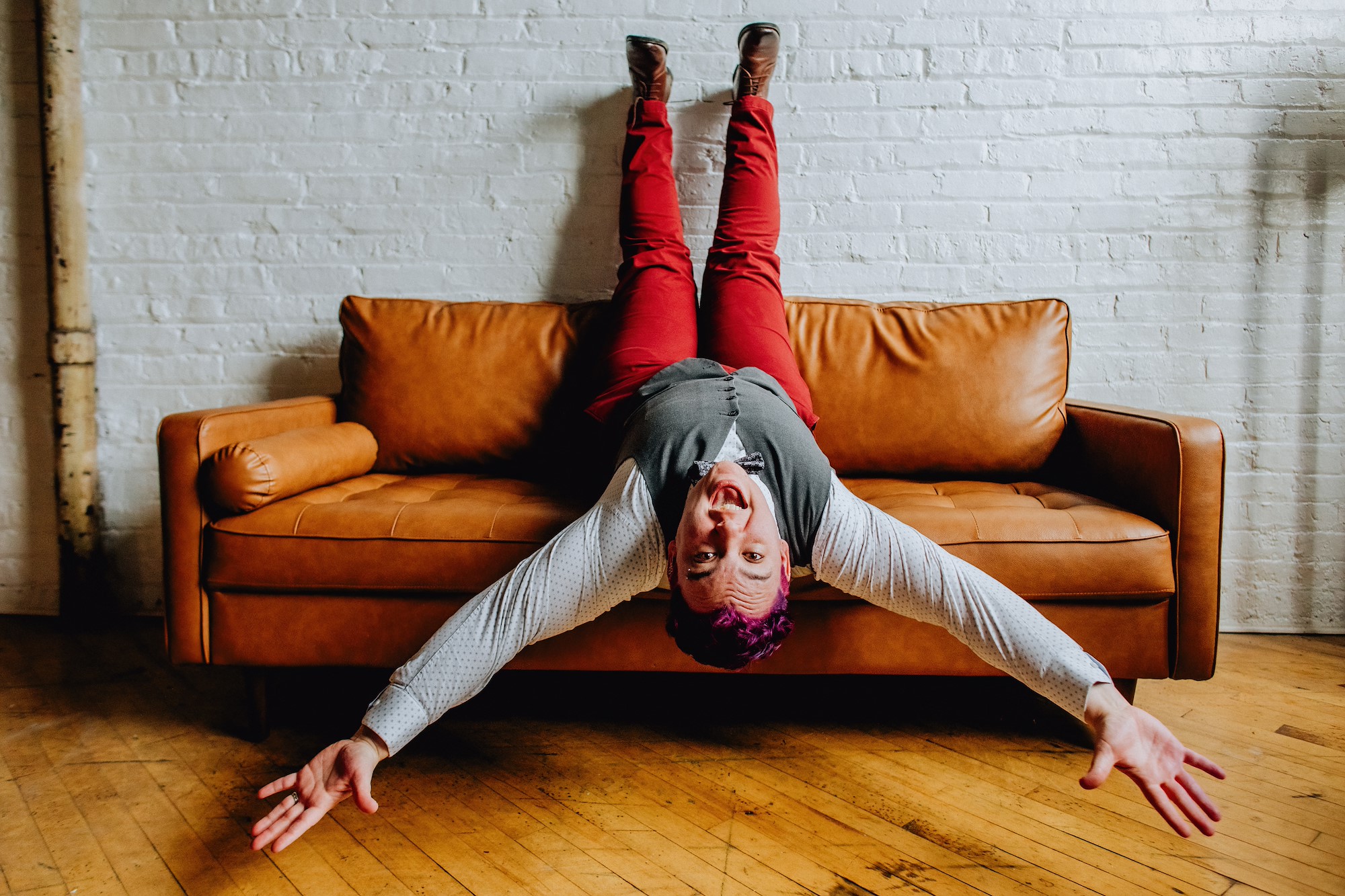
One of the best things you can do for your portrait photographer business is to find your “why.” Charissa Johnson, a professional photographer of 15+ years, shares her insight on how to truly set yourself apart—not only as a service provider, but as a person your clients can truly connect with.
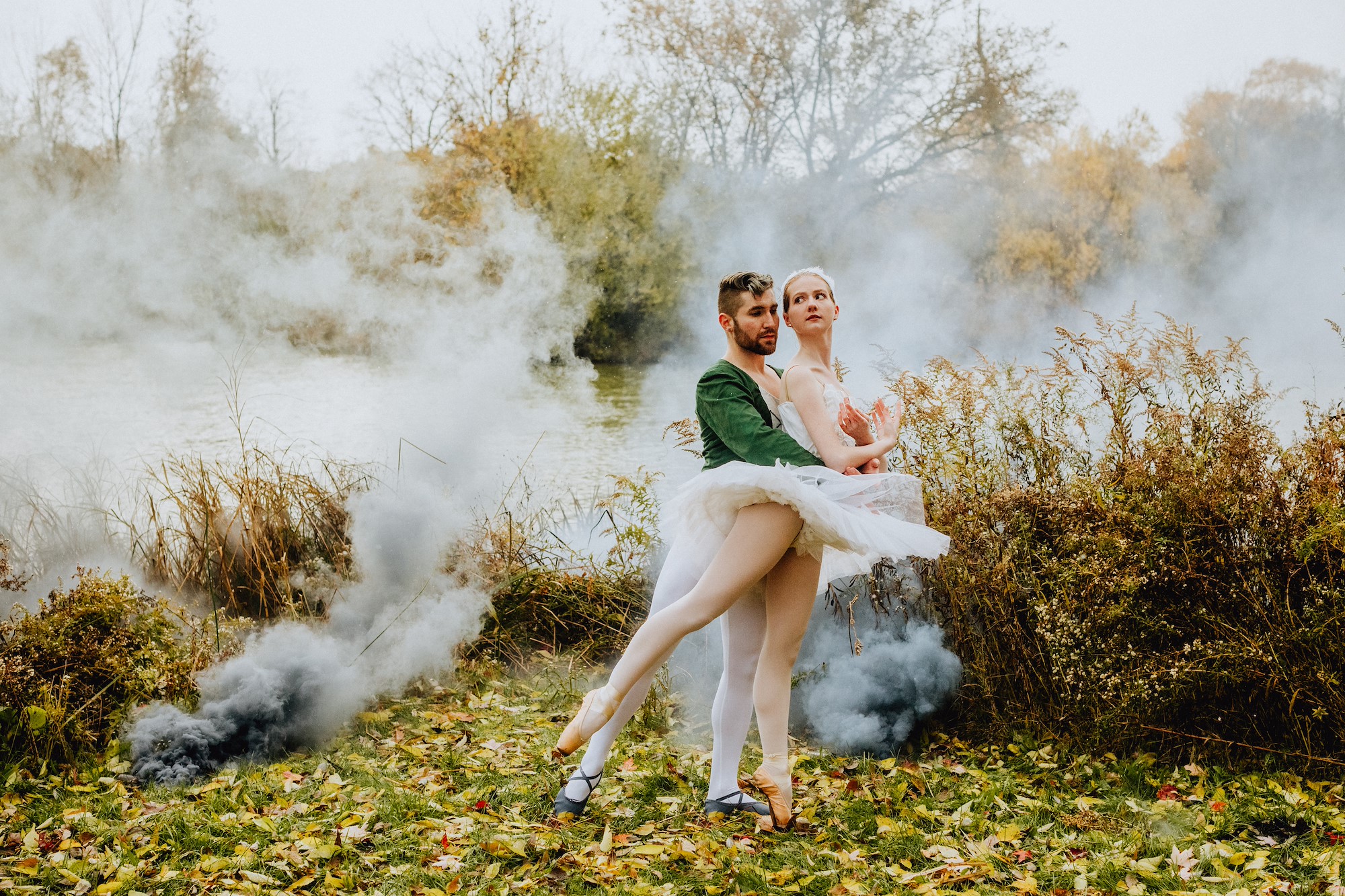
For Charissa, what started as a genuine love for people and appreciating local landscapes eventually turned into a successful photography business. In her opinion, fostering joy and understanding during client sessions ultimately allows that spark to shine through in the portraits you create.
© Charissa Johnson
Charissa offers these tips to aspiring portrait photographers:
- Make sessions personal: Don’t just tell clients to smile—get them moving and interacting with each other or the environment. Before a shoot, learn what truly brings your client joy. If it’s a couple who loves quiet mornings with cocoa more than crowded city streets, tailor the location and vibe to reflect their real life.
- Backup everything: Use an external hard drive (or ten) to backup your work at all stages of the process including raw footage, edits, and final packages. Then, back it up again.
- Include tangible keepsakes: Bring an instant camera (like an Instax) to sessions, and give your clients a polaroid on the spot. This simple addition gives clients instant satisfaction, creates a core memory from the experience, and is the kind of additional detail that might get you a referral to friends and family.
- Get to know your camera: Your camera’s instruction manual isn’t just pages of tech jargon, it’s an invaluable resource. Learn OCF (off camera flash) to open up a whole new world for your photography business.
Conclusion
As technology evolves and portraiture continues to be redefined, portrait photography endures because of the basic human desire to be seen. This universal truth offers a shared human experience that connects us through this field of photography. A portrait is more than just a picture; it's a mirror of personality, a chance to relive a moment you'll never forget. In today's digitally driven culture, the hope is that new photographers will remain faithful to portrait photography's essence: revealing the soul of a subject. While the tools and media may change, the challenge to capture an everlasting emotion in a single frame remains the same. With that, we invite new photographers to embrace these takeaways as they step into the exciting field of portrait photography.
Key Takeaways
- Portraitures have the ability to tell a story.
- Gear is important, but the most important tool is connection.
- Lighting, styling, and posing can shape the mood.
- Over-editing risks distorting reality.
- To be successful, you must be both business-savvy and thrive creatively.
Finally, remember that no matter how advanced technology becomes, human connection remains the heart and power behind portrait photography.