What Is Editorial Photography?
Editorial photography tells a story through images. Those photos are designed to enhance and supplement an interview, article, profile or feature. The biggest difference between editorial and commercial photography is an editorial photograph is not selling a product or brand. But even within editorial photography, there are niches. Photos that appear in fashion magazine articles are one example.
When you flip through a magazine or an online article, the photos that accompany the written content engage the audience’s attention, draw them into the story and enhance the overall message. These types of photos are a style called editorial photography. But there’s so much more to this genre of photography.
In a nutshell, editorial photography tells a story through images. Those photos are designed to enhance and supplement an interview, article, profile or feature. However, editorial photography isn’t limited to print publication. It can also be used in online publications or other digital platforms. The biggest difference between editorial and commercial photography is an editorial photograph is not selling a product or brand. But even within editorial photography, there are niches. Photos that appear in fashion magazine articles are one example.
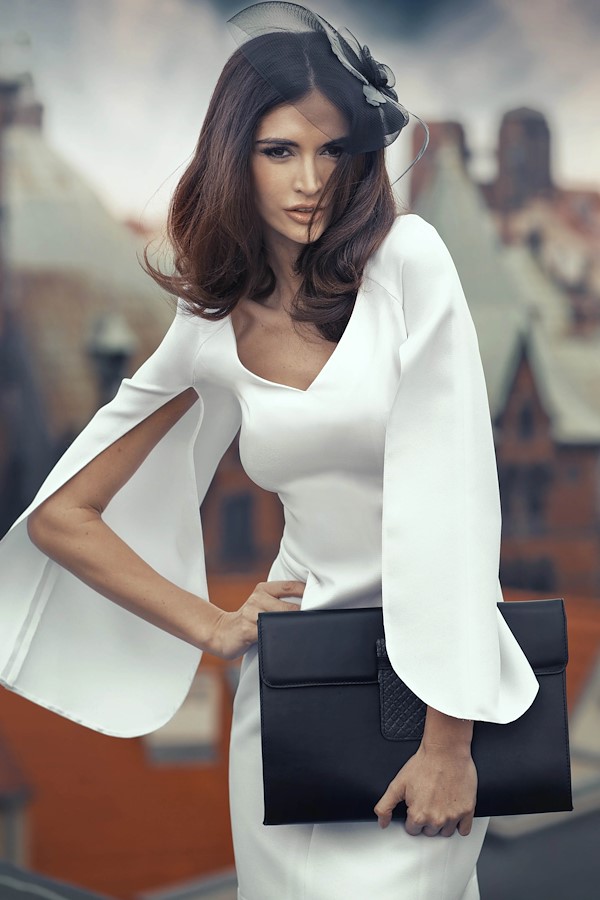
Sophia Harrison is a fashion, editorial and runway photographer for publications such as Harper’s Bazaar Vietnam, Style Cruze British, Mob Journal, and Vigour Magazine. She also does concert and event photography. "Fashion editorials are usually more stylized and concept-driven," Sophia said. "You’re building a mood or narrative visually through clothing, styling and location. It’s not necessarily about realism—it’s more about feeling and impact."
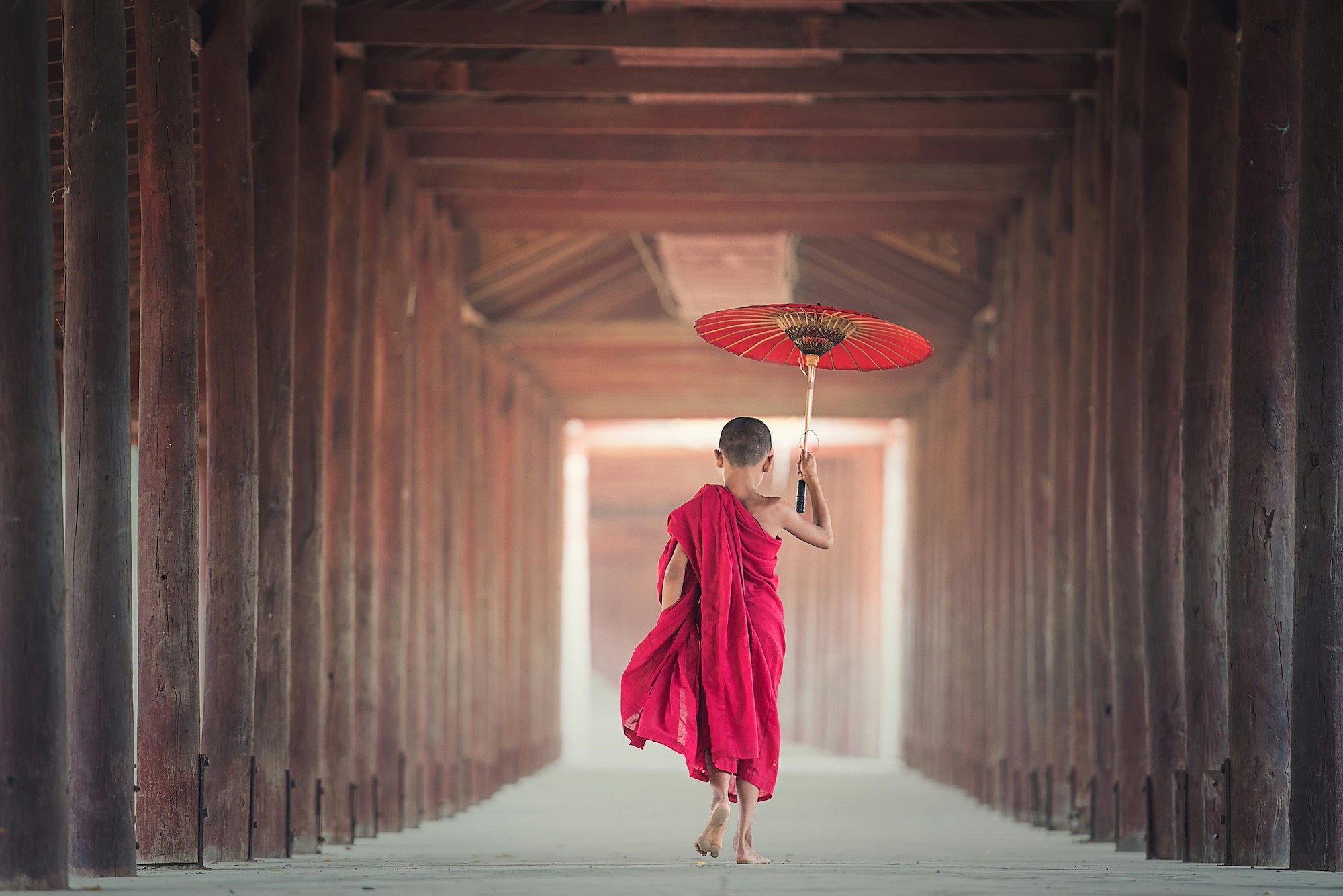
Photojournalism—which also appears in publications—is the opposite. You’re capturing what’s actually happening in front of you, without directing your subjects. Sometimes that could be documenting an event or situation as it is unfolding, or capturing images while you’re a bystander, rather than leading a photoshoot. Lifestyle and portrait editorials focus on the subject, such as a business owner, artist or musician, and the photos support the story. They’re usually a bit different than a fashion shoot, because they’re more down-to-earth and personal in tone. You’re still directing the subject, but in more natural settings and poses.
Types of Editorial Photography
There are a few sub-genres of editorial photography. While they are all very similar in that they convey stories through photos, they all have different focuses. All types of editorial photography are designed to evoke an emotional reaction. In addition to the ones listed below, a few other sub-genres include food, product, and conceptual photography.
-
Portrait – Usually focuses on one person at a time but it can showcase groups or families. It’s often shot in a controlled environment like a studio or in a
neutral environment outside. The subjects in these photos have limited interaction with the environment. It’s also worth noting that some photographers don’t consider this editorial photography, but many do and include portrait photography in their repertoire.
-
Lifestyle – Focuses on real-life situations to show people participating in everyday life through an artistic lens. It’s important to remember that the images
don’t depict current events and are not used for news.
-
Fashion – Uses models to capture the latest trends. It conveys a narrative that focuses on clothing and accessories while also playing with the overall scene
and mood of the photo.
- Travel – Showcases different cultures and landscapes around the world.
It can be considered a blend of lifestyle and documentary photography. However, the aim is always to tell a story of different cultures through visuals instead of domestic life of your own culture.
What Type of Gear is Best for Editorial Photography?
Just like other genres of photography, your choice of equipment is highly personal. Some photographers shoot with mainly natural light, and focus on their camera body and lenses. Others shoot inside studios or on sets, and artificial lighting with accompanying equipment is essential. Ultimately, you can shoot editorial photography with the camera gear you’re most comfortable using.
Sophia uses a Nikon Z8, 85mm F1.2 lens, 24-70mm F4 lens, and 14-24mm F4 lens. She recommends adding a wide-angle lens to your gear kit. "It creates this fun and interesting distortion of your subject that is so worth trying out," Sophia said.
Anna Gunselman is a portrait, advertising and fashion photographer with photos published in Maxim, Variety, Harper’s Bazaar and Grazia: For outdoor shoots, she uses Profoto lights, Elinchhrom umbrellas, and a Sunbounce reflector. One of her go-to tools is the Uncle Sam Sunblock umbrella. "That setup gives me full control to create clean, flattering lighting in just about any situation," Anna said. "[The best type of equipment] depends on the vibe of the shoot and the lighting conditions. Sometimes it’s all about chasing perfect daylight, and other times I bring the whole studio with me."
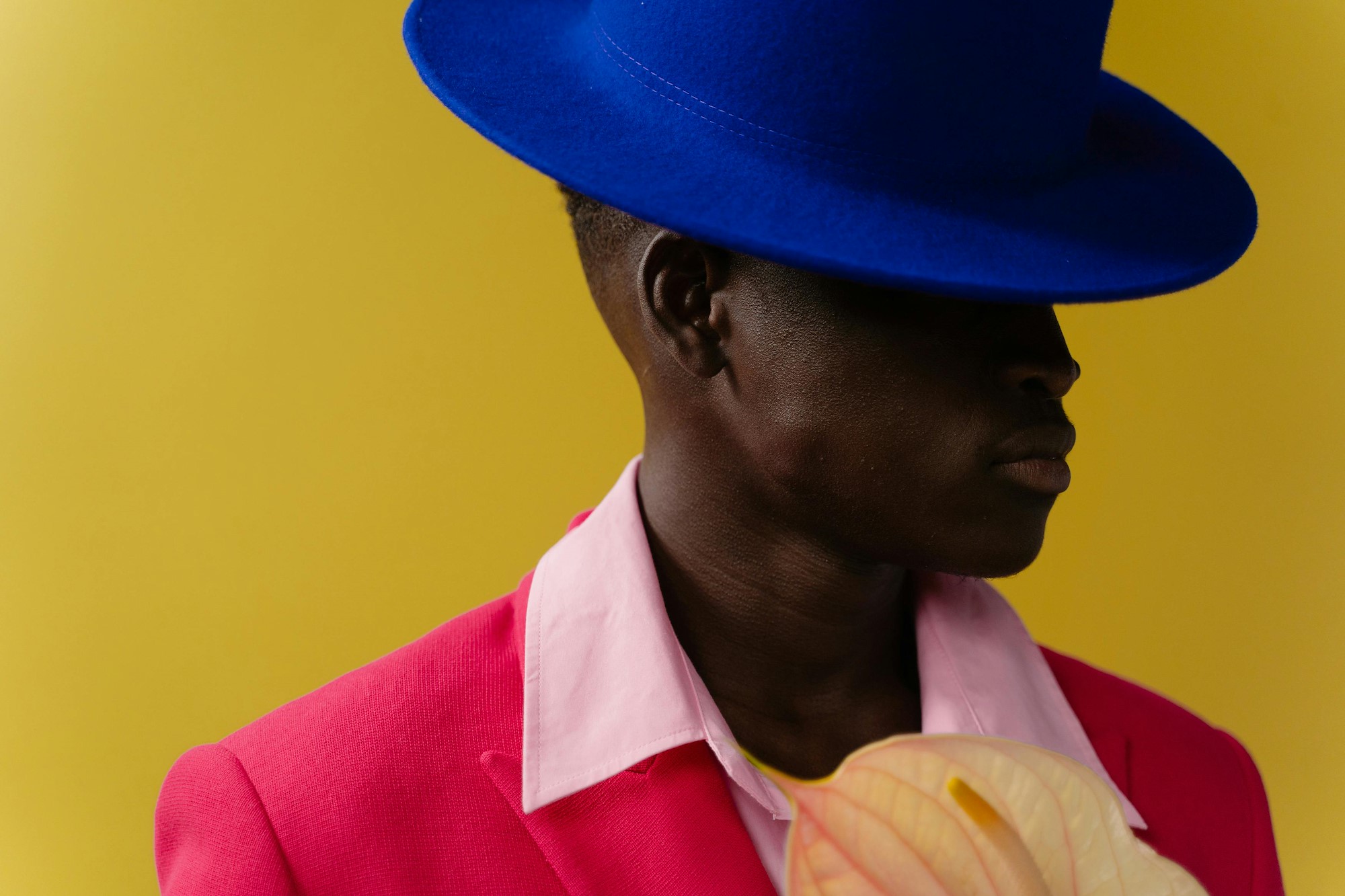
Nicole Loeb is a commercial and editorial portrait photographer who left management consulting to create personality-driven imagery for clients like J.P. Morgan Chase, Harvard Medical School, Crocs, and the New York Times. Aside from cameras, lenses, strobes and modifiers, she depends on her phone. "I use it to keep my life organized with Notion and Google Drive," Nicole said. "I use apps to track the sun’s location. I make checklist after checklist to stay on top of everything."
Sonya Revell is a portrait, lifestyle and conceptual photographer creating for advertising, marketing and editorial clients, including publications such as The New York Times, AARP, Luxe Interiors + Design and Forbes. She currently photographs with two Canon 5D Mark IVs, which she says have been wonderful, reliable workhorses. She is considering upgrading to the Canon R5 Mark II to handle the growing demand for video work. "The lens I rely on most heavily is my Canon 24-70mm f/2.8L II USM—it’s incredibly versatile and covers most of my photography needs," Sonya said. "I also frequently use the Canon 70-200mm f/2.8L, the 100mm f/2.8L IS macro for both portraits and details, and the 50mm f/1.4 when I want a shallower depth of field."
Sonya places a strong emphasis on lighting, and has worked with a variety of lighting systems including Profoto and Paul C. Buff. "I made the switch to Godox Witstro AD600BM lights, and I haven’t looked back," Sonya said. "They strike an ideal balance of power, portability, and affordability—perfect for the fast-paced demands of editorial portrait work. One of my favorite features is the interchangeable backs, which let me switch from plug-in to battery power in seconds, making on-location shoots much more efficient." She also uses Flashpoint R2 Pro II wireless remotes, softboxes, stripboxes, umbrellas, beauty dishes, grids, gels, barndoors and snoots. "Having a variety [of equipment] on hand gives me the flexibility to shape light precisely to match the mood or story I’m trying to tell," Sonya said.
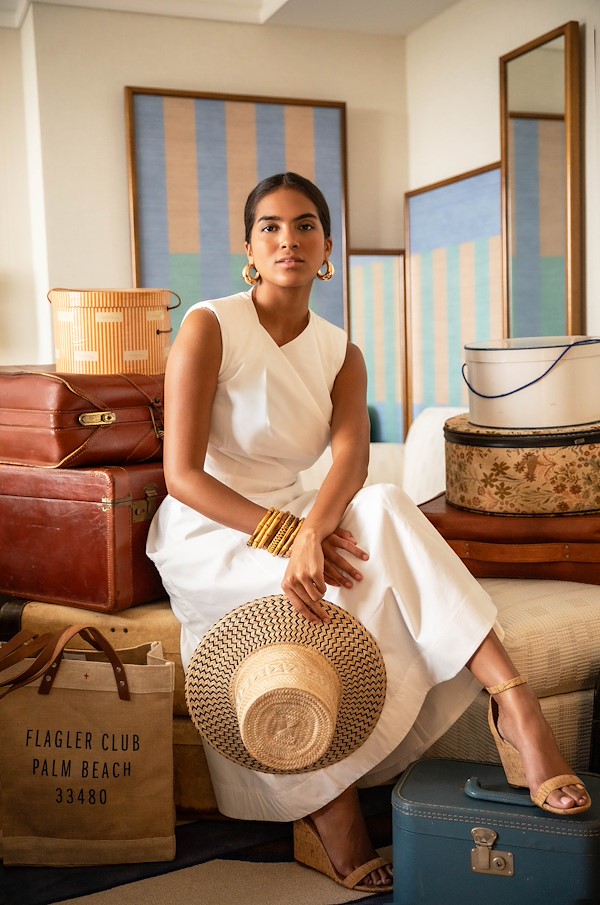

© Sonya Revell
How Do You Work with Clients for Editorial Photography?
Marketing and relationship building are key to landing your first clients. Amanda Julca says that her first editorial clients came through a mix of persistence with advertising and relationship building. She was intentional about building relationships with potential clients through consistent communication. Anna was able to get her first editorial job with Bella magazine when a makeup artist that she worked with recommended her for a shoot with Christie Brinkley. She said that that photoshoot led to an ongoing relationship with both Bella magazine and Christie. She says to, “Never underestimate the power of people who believe in your work.”
Often editorial photographers start with a discovery call to hammer out the details of the shoot, such as the client’s intentions, creative vision, scope of the shoot, number of designs and models, date of launch and other details. Some photographers create a mood board in pre-production. Other tasks for pre-production include scouting locations, booking a studio or getting permits for locations, booking talent and models and purchasing props.
On the day of the shoot, you’ll collaborate with your client to ensure they like what you’re creating. After the shoot, you may find it beneficial to put together a lightly edited proof gallery so you can provide final editing and retouching once they make their selects. Some clients may want a curated gallery, while others may want final edited selects. Communicate with your client to make sure you deliver the expected images in the format they prefer and the method that’s easiest for them.
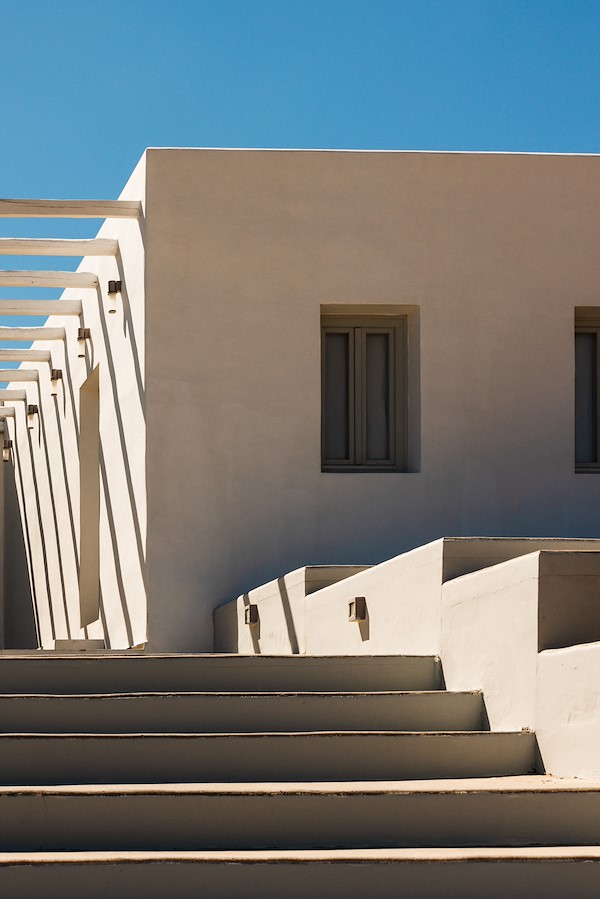
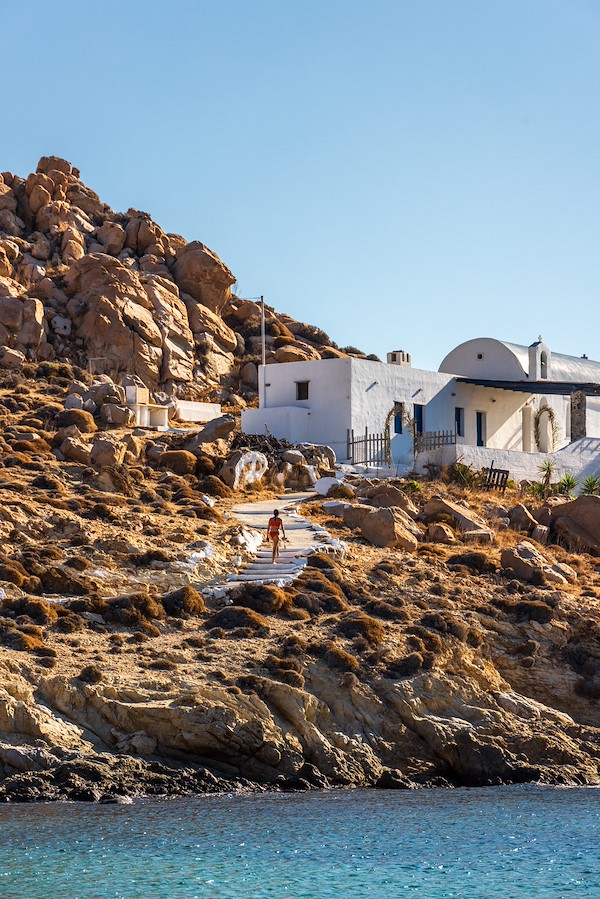
© Amanda Julca
How Much Can You Make as an Editorial Photographer?
The range varies wildly depending on your niche, the complexity of the shoot, the scope, and how the photo will be used. For fashion and portrait editorials. Anna’s day rate falls between $2,000 and $5,000. Production costs such as photo assistants, digital techs, retouching and gear are on top of that rate. "Usually, the publication handles things like talent, makeup, hair and wardrobe," Anna said.
Things to consider when pricing your services include:
- Day rates – Varies based on your experience. A beginner photographer might start out at $500.
- Complexity – The elements in a photograph including people, styling, settings, objects, and scenes. Complexity contributes to the emotional impact or depth of an image.
- Scope – The range of styles that you’re shooting including fashion, travel, lifestyle.
- Usage – The specific application of the images whether for informational purposes or educational purposes.
- Production costs – Can include a multitude of factors such as photo assistants, digital techs if needed, pre-production, travel, shoots days, post-production and gear.
- Licensing – Where the image will run whether it be regional, national, or international.
Some editorials are also submission-based, sometimes born from a creative project for portfolio and pitching purposes. "These are unpaid, but the creative freedom is gold—you can skip the mood boards and do something entirely your own," Anna said. "I’ve done plenty of those, and they’ve been amazing for growing my vision and building strong connections."
How Do You Get Into Editorial Photography?
If you’re already an experienced photographer, you may find the jump to editorial photography to be a natural one. Sophia started out in portrait and fashion photography in 2020, and in 2021 began shooting editorial after working and networking in the fashion world. "I love that my work gives me the ability to utilize my art form to capture and highlight other incredible artists’ work," Sophia said. "There is so much beauty and talent behind every editorial that you see. Artists and creatives are the best people, and it’s always fun to create beautiful work with other artists."
Anna’s first editorial was with Bella magazine, the cover image with Christie Brinkley and her daughter, Sailor. "I had just moved to New York and was still figuring everything out," Anna said. "A makeup artist I had worked with threw my name in the ring for the shoot, and to my surprise, they said yes. The shoot turned out beautifully, and it led to an ongoing relationship with Christie and Bella. That moment opened a lot of doors. All from one connection, and one ‘Yes.’ Never underestimate the power of people who believe in your work."
Sonya has a degree in photography, and then moved to Miami where she began assisting commercial and editorial photographers to gain hands-on experience. "While assisting, I was simultaneously building my portfolio—photographing friends, new models, and anyone who caught my eye," Sonya said. "I organized test shoots, experimented with lighting and composition, and treated each session as a chance to grow and refine my style." Sonya worked with a friend to create her first website to showcase her early work, then upgraded the site, which helped her attract clients and establish creditability. "With a solid site to point to, I felt more confident reaching out to potential clients and began by approaching smaller, local magazines and publications," Sonya said. "Those early efforts helped me land my first editorial assignments and start building meaningful relationships in the industry."
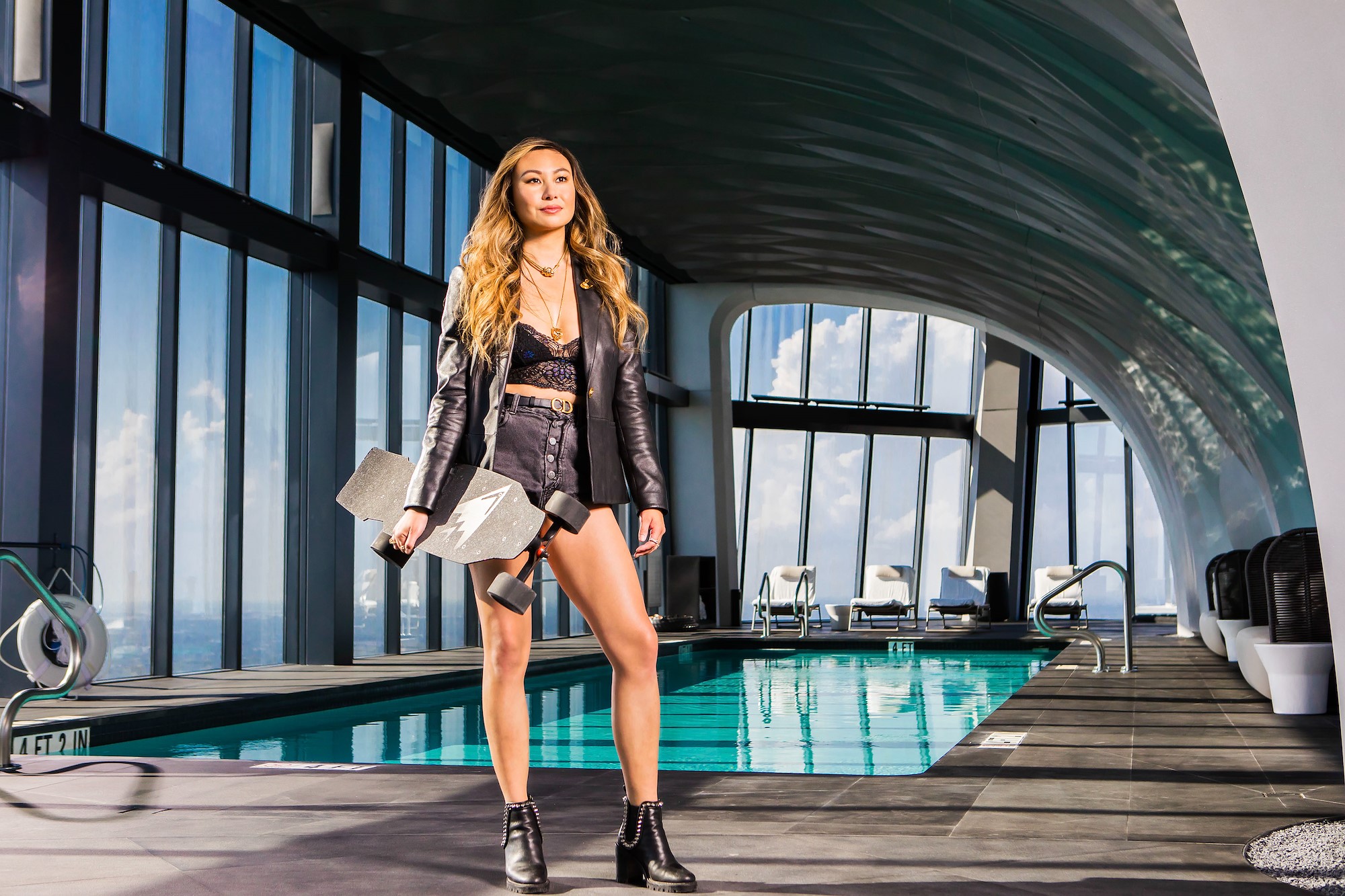
© Sonya Revell
Advice for Aspiring Editorial Photographers
You can start the journey by shooting as many diverse portrait and fashion shoots as you can, Sophia said. "This will continuously build your composition, lighting and editing skills," Sophia said. "Then, transition into building your own complex and meaningful concepts based around a fashion look or style. Be intentional about the details, and try to push yourself."
Anna recommends considering what type of editorial photography speaks to you, and pursue that genre. "Are you drawn to fashion, portraits, lifestyle or product editorials? What kind of imagery stops you mid-scroll and makes you say ‘wow,’" Anna said. "Study what draws you in—the lighting, the emotion, the styling, the mood—and start creating your own version of it."
Nicole recommends aspiring editorial photographers should invest time into your craft to work toward having your images seen by potential clients. "Keep photographing," Nicole said. "Keep experimenting. Have fun with it, and photograph what you love. Fill your soul creatively. Collaborate with others and create elevated work that you wouldn’t be able to do on your own. Show off your work in front of other people who would hire you."
You can get great experience and a leg up in your career by working as a photo assistant for commercial and editorial photographers, Sonya said. "It was an invaluable, hands-on experience that gave me a front-row seat to the inner workings of the industry," Sonya said. "For anyone just starting out I highly recommend reaching out to photographers you admire and offering to assist. It’s one of the best ways to build skills, make connections, and learn directly from people who are already excelling."
Study the work of artists, photographers and filmmakers you admire, and break down how they use composition, lighting, and storytelling—then practice those techniques yourself. "Developing your eye and voice takes time, but it starts with curiosity and consistent, deliberate practice," Sonya said.